

AutoDeal Canada
🚲

E-Bike for Sale in Canada

885 vehicles available Average price: $4 381

CATEGORY GUIDE · E-BIKE

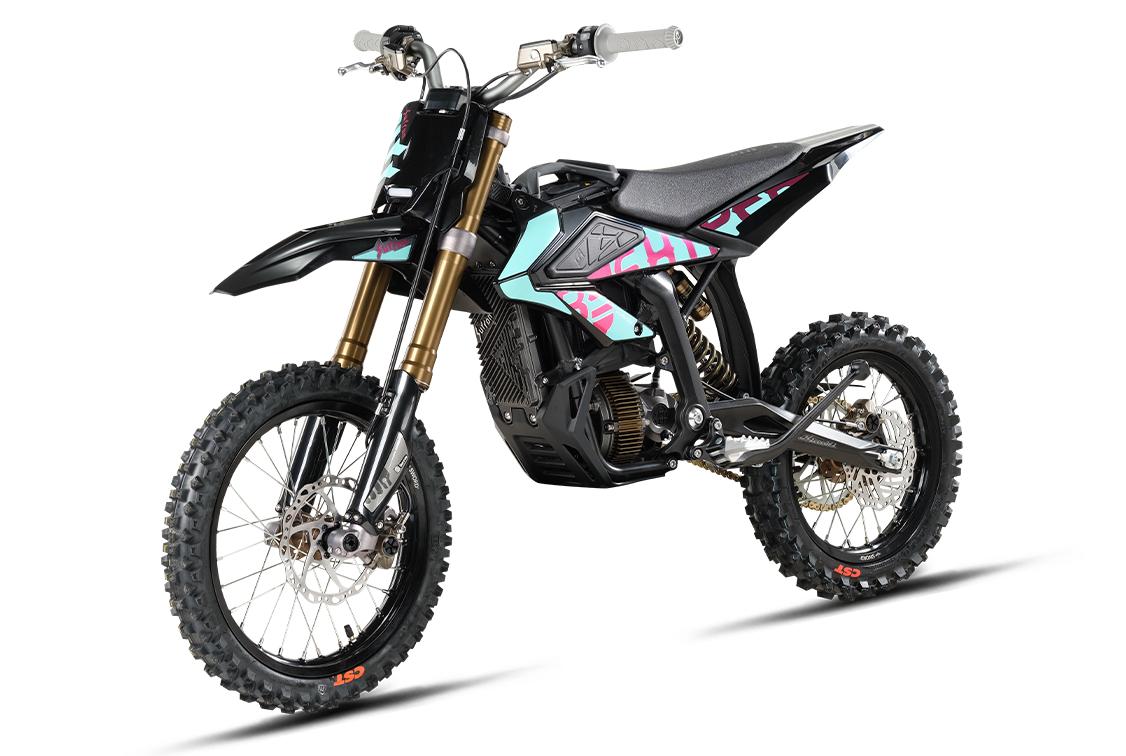
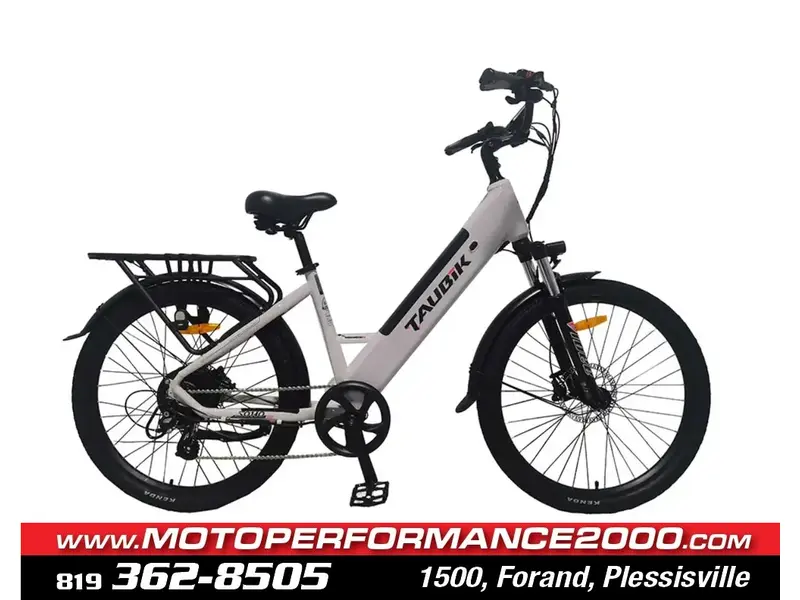
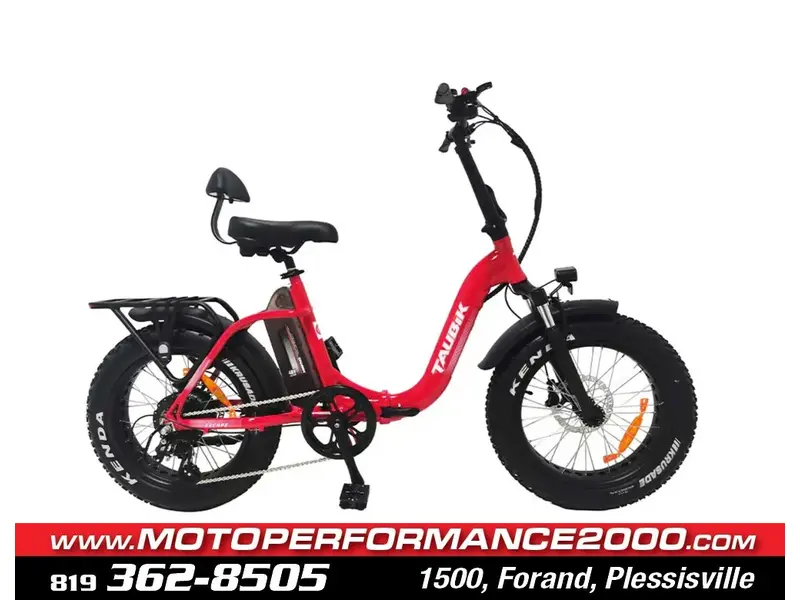
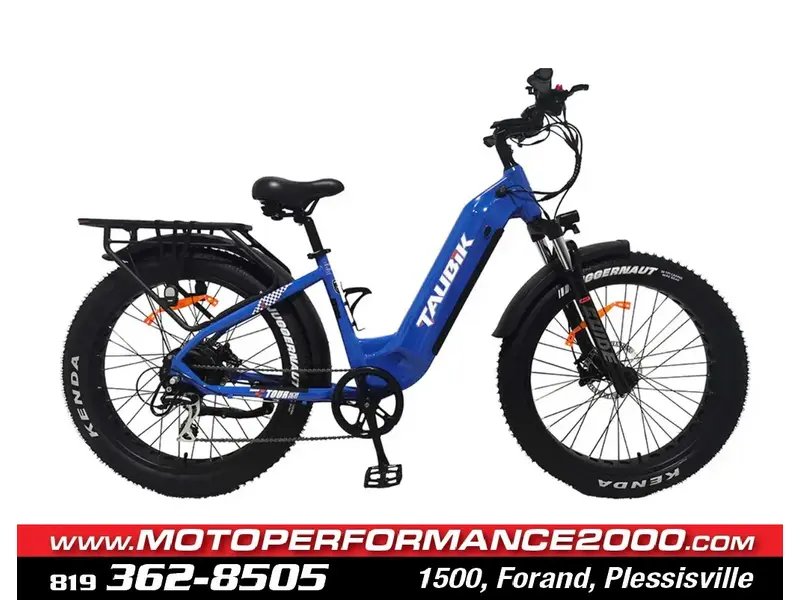
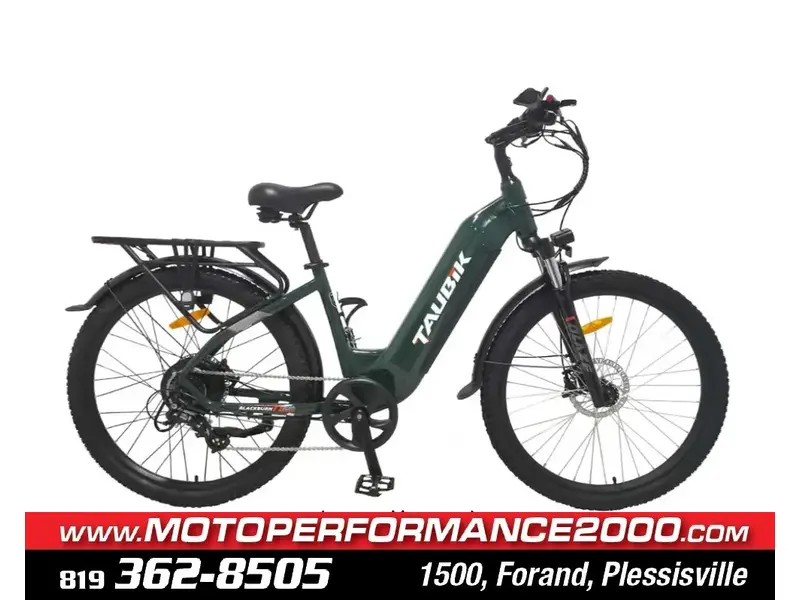
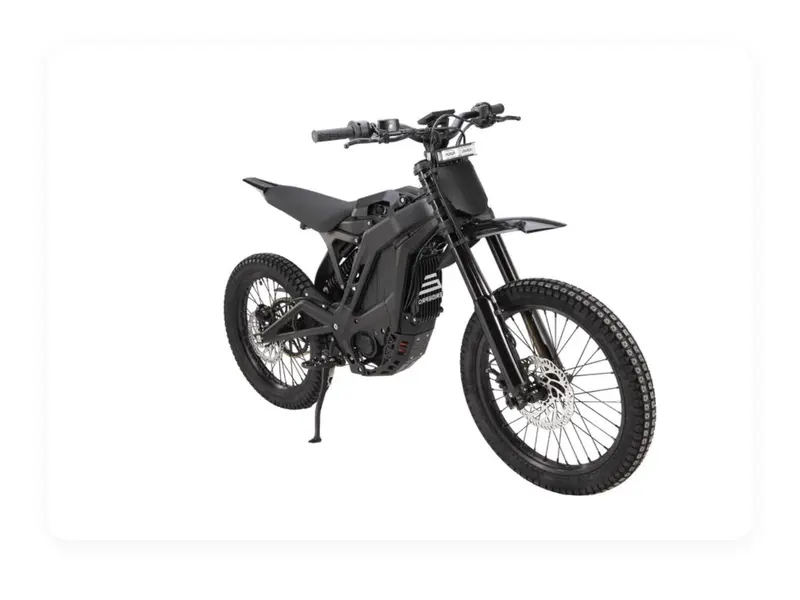
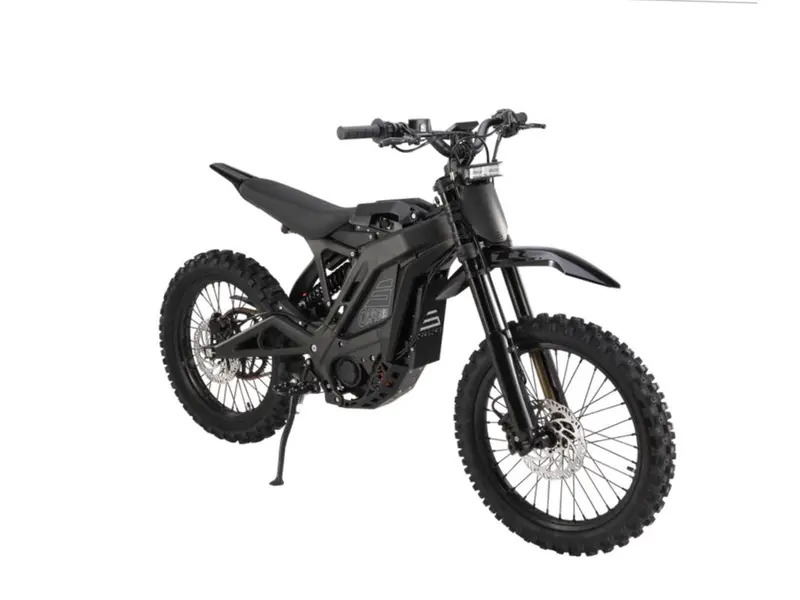
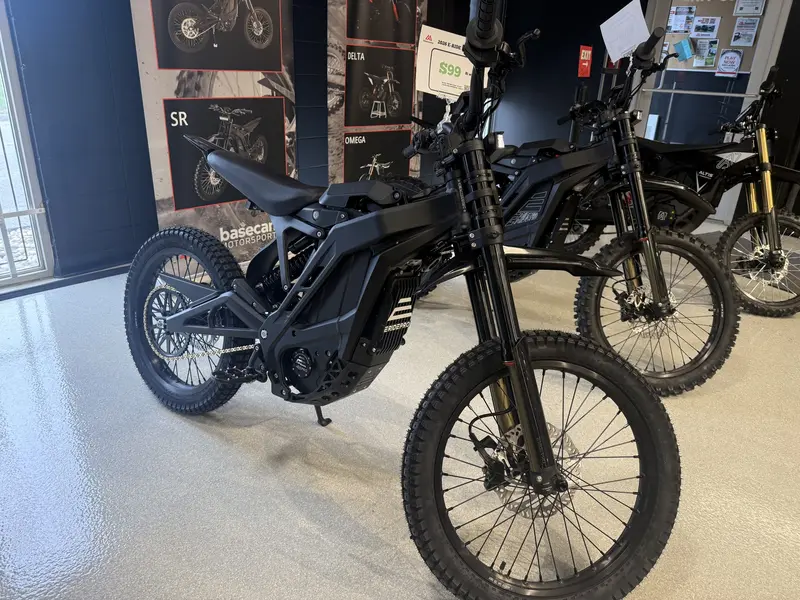
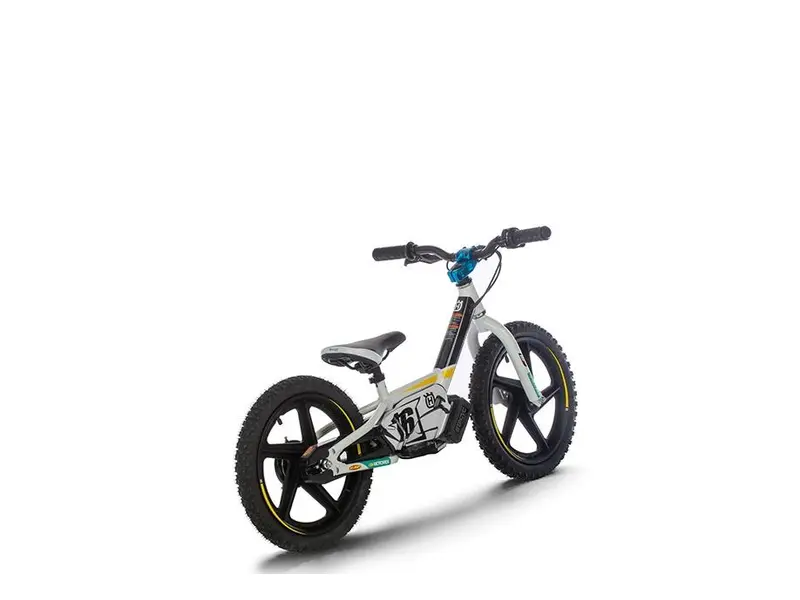
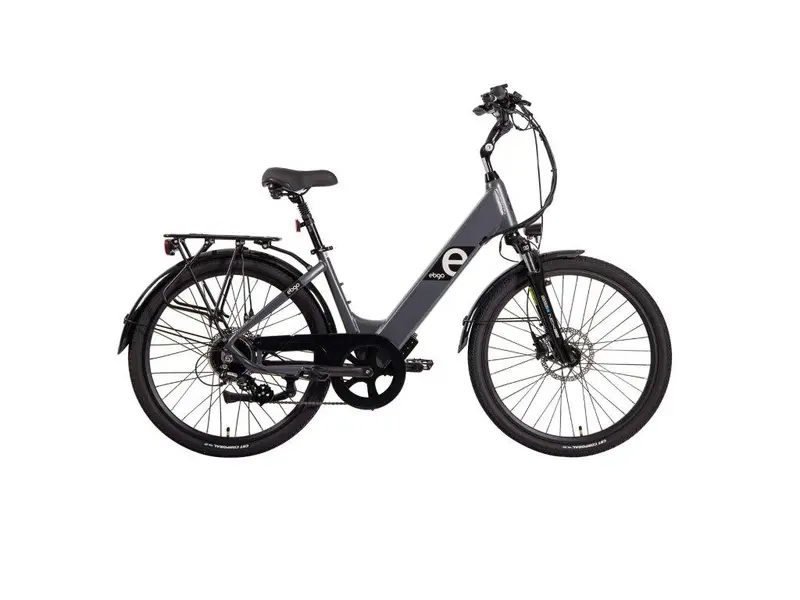
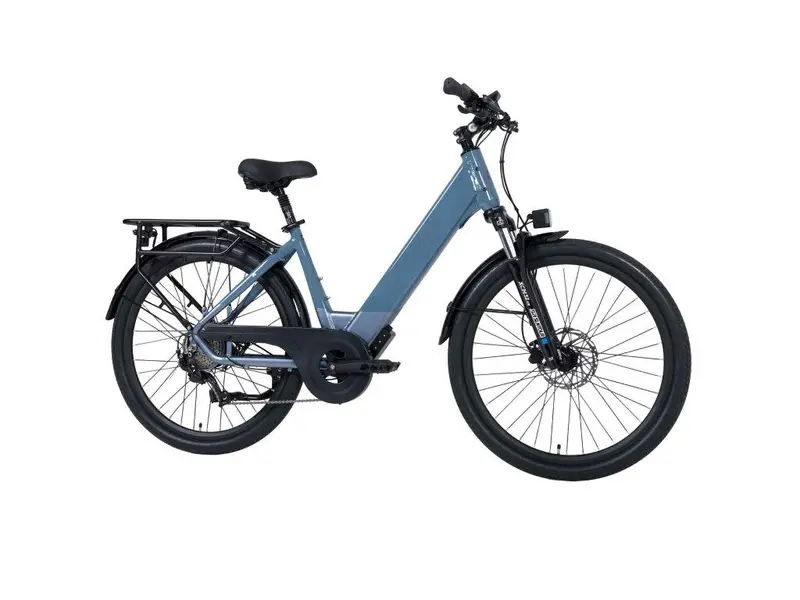
Electric bicycles sit at the affordable end of this marketplace, with 485 units averaging $2,744 and a median model year of 2022. The category is growing fast as Canadian commuters replace short car trips with pedal-assist rides through Montreal, Toronto, Vancouver and Calgary bike networks. Top listings include the 52V 18Ah Interceptor Step-Thru, the Kawasaki Elektrode for youth riders, and a range of City Commuter models built around 500-watt hub or mid-drive motors. Provincial laws draw a hard line at 500 watts of continuous motor output and a pedal-assisted top speed of 32 km/h in Quebec, Ontario and most other provinces, which is why virtually every bike on this page is built to the same regulatory ceiling. Classified as power-assisted bicycles under federal and provincial rules, these units do not require a driver's licence, registration or insurance in most provinces, though helmet laws still apply and Quebec enforces age-14 minimums. Extended riding seasons, low operating costs and multimodal transit integration make e-bikes the fastest-growing segment on this platform.

Inventory

885

vehicles

Avg price

4 381 $

Avg km

km

Median year

2025

Frequently Asked Questions

01

What are the legal power and speed limits for e-bikes in Quebec and Ontario?

Both provinces cap power-assisted bicycles at 500 watts of continuous motor output and 32 km/h of pedal-assisted top speed on public roads and paths, matching the federal definition under the Motor Vehicle Safety Act. Throttle-only operation is permitted in Ontario and restricted in some Quebec contexts. Anything above those limits is classified as a moped or motorcycle and triggers licensing, registration and insurance. Riders must be at least 14 in Quebec and 16 in Ontario, helmets are mandatory under 18 in Ontario and for all ages in Quebec, and bike-lane access generally mirrors traditional bicycle rules. Check your municipal bylaws for multi-use path exceptions.

02

How do I pick between a hub-motor and a mid-drive e-bike for Canadian commuting?

Hub-motor e-bikes are cheaper, simpler and maintenance-light because the motor lives inside the rear (or sometimes front) wheel with fewer moving parts tied to the drivetrain. Mid-drive motors like those on higher-end City Commuter and trekking bikes sit at the bottom bracket and leverage the bike's gears, which dramatically improves hill-climbing on Montreal's Plateau or Vancouver's Kitsilano grades. Mid-drives also distribute weight better, which helps handling in snow and rain. For flat commutes under 15 kilometres, a 500-watt hub motor handles the job for under $2,000. For hilly terrain or heavy cargo, a mid-drive earns its price premium.

03

How long does an e-bike battery last before replacement becomes necessary?

Quality lithium-ion battery packs deliver 500 to 800 full charge cycles before capacity drops to roughly 70 percent of original, which translates to three to five years of daily commuting on a typical Canadian schedule. Cold weather accelerates capacity loss if you charge below zero, so bring the battery indoors for winter charging even if the bike sleeps in an unheated garage. A 52V 18Ah pack like the one on the Interceptor Step-Thru delivers 60 to 90 kilometres per charge when new, dropping to 40 to 60 kilometres after several years. Replacement packs cost $400 to $900 depending on chemistry and capacity.

04

Can I ride an e-bike year-round through a Canadian winter?

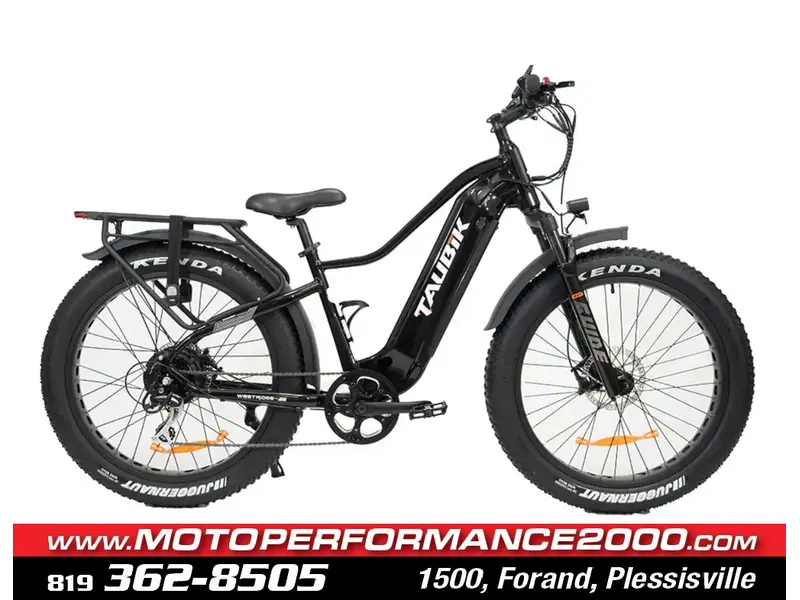
Yes, with the right tires and storage discipline. Studded winter tires transform e-bike traction on icy January commutes, and many Montreal and Ottawa riders log kilometres through deep-freeze months on fat-tire e-bikes or commuters fitted with 45c studded rubber. The key rules: never charge a battery that has just come in from below-zero storage (let it warm to room temperature first), lubricate the chain more often because road salt accelerates wear, and rinse the frame and drivetrain weekly. Battery range drops 20 to 40 percent in winter, so plan shorter routes. 885 e-bikes on this page suit year-round use.

05

Is a step-thru frame actually worth choosing over a traditional diamond frame?

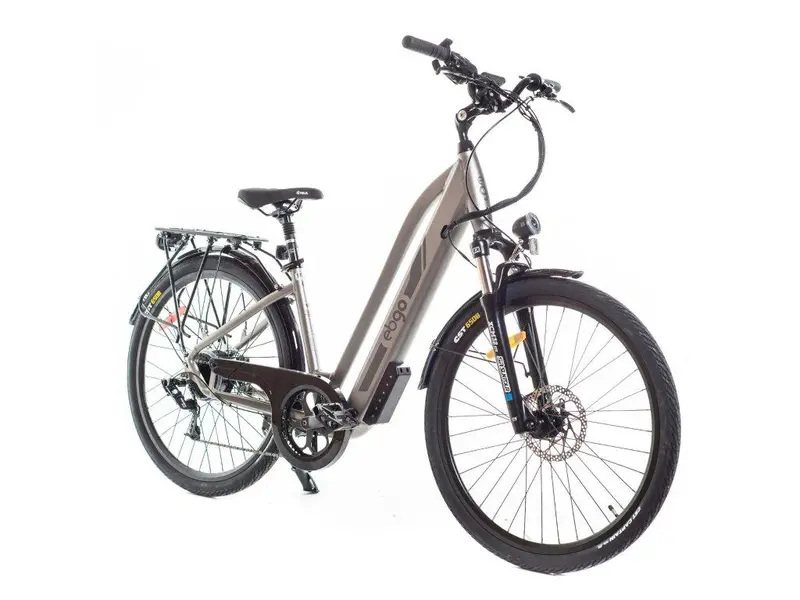
Step-thru frames remove the top tube, which makes mounting and dismounting dramatically easier for riders wearing work clothes, winter boots or cargo panniers, and for anyone with reduced mobility. The Interceptor Step-Thru dominates its price tier precisely because urban commuters value easy dismount at bus stops and crosswalks. Traditional diamond frames remain stiffer under heavy pedalling loads and handle better on rough terrain, which matters for fitness-focused riders and trail use. For daily grocery runs, school drop-offs or multimodal transit trips, step-thru geometry is the honest recommendation regardless of rider height or gender.

Browse other categories