AutoDeal Canada
🚐

RV for Sale in Canada

2 228 vehicles available Average price: $46 722

CATEGORY GUIDE · RV

Recreational vehicles on this page number 932 units averaging $38,525 with a median model year of 2022. The segment splits cleanly between towable trailers (Ameri-Lite, Aspen Trail, Catalina and similar travel-trailer nameplates) and motorized motorhomes classed as Class A, Class B or Class C. Specialized entries such as the Remeq PSC-3500-BG show how the Canadian RV market also includes custom and utility-focused builds. Canadian RV buyers typically use the standard Class 5 passenger licence because provincial rules allow driving motorhomes under 14,000 kilograms (and towing certain trailers) on an ordinary driver's licence. Season length matters enormously: most provinces limit overnight stays in provincial parks to mid-May through early October, while dedicated four-season trailers with heated tanks and enclosed undercarriages extend use into shoulder months. Choose between towable and motorized based on whether you already own a capable tow vehicle, how often you plan to relocate on a trip, and whether storage space permits parking a 30-foot fifth wheel between outings. Filter by length, class and sleeping capacity to shortlist units.

Inventory

2 228

vehicles

Avg price

46 722 $

Avg km

33 996

km

Median year

2023

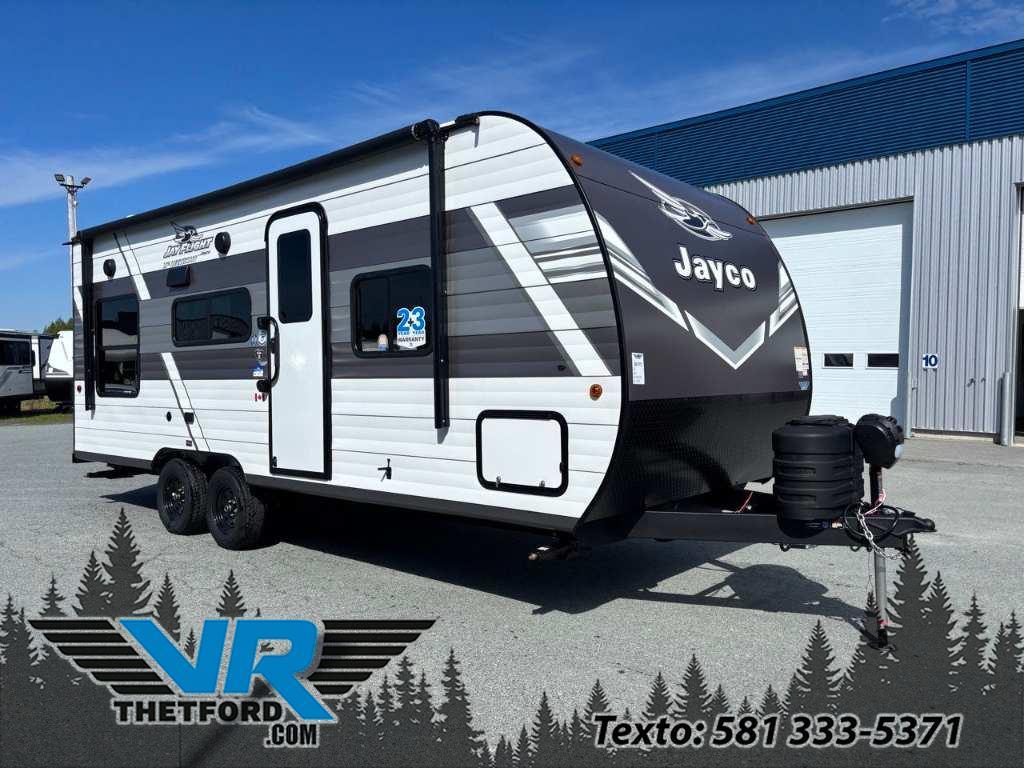
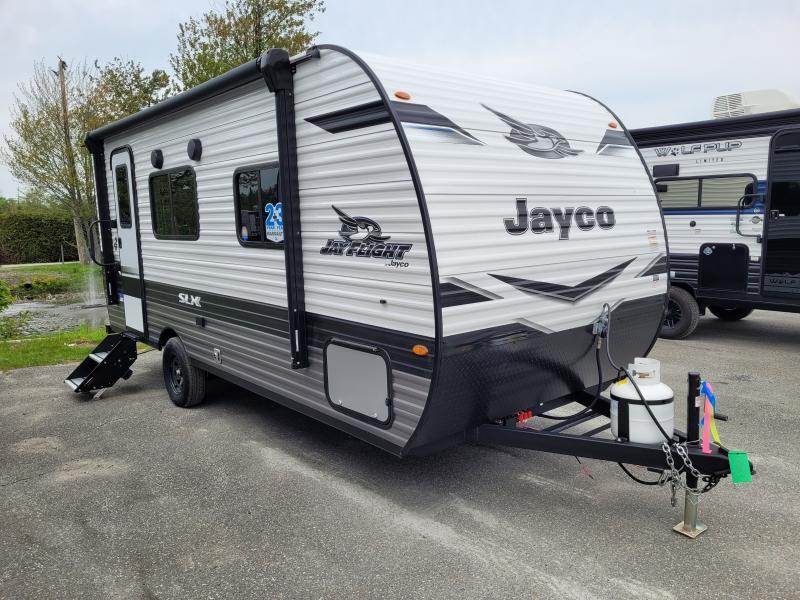
2027 Jayco Jay Flight SLX 210QB
NewFeatured

2027 Jayco Jay Flight SLX 210QB

0 km
35 895 $
2014 Prime Time Crusader
Featured

2014 Prime Time Crusader

0 km
20 426 $
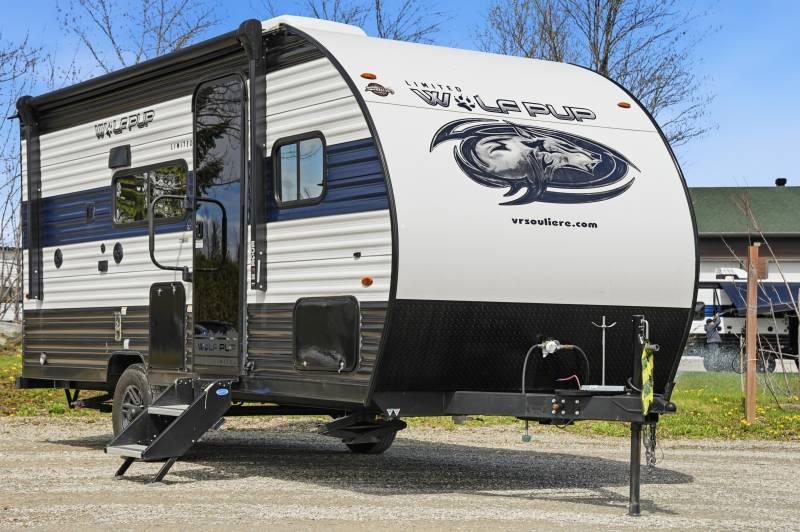
2023 Forest River Cherokee Wolf Pup
Featured

2023 Forest River Cherokee Wolf Pup

0 km
27 376 $
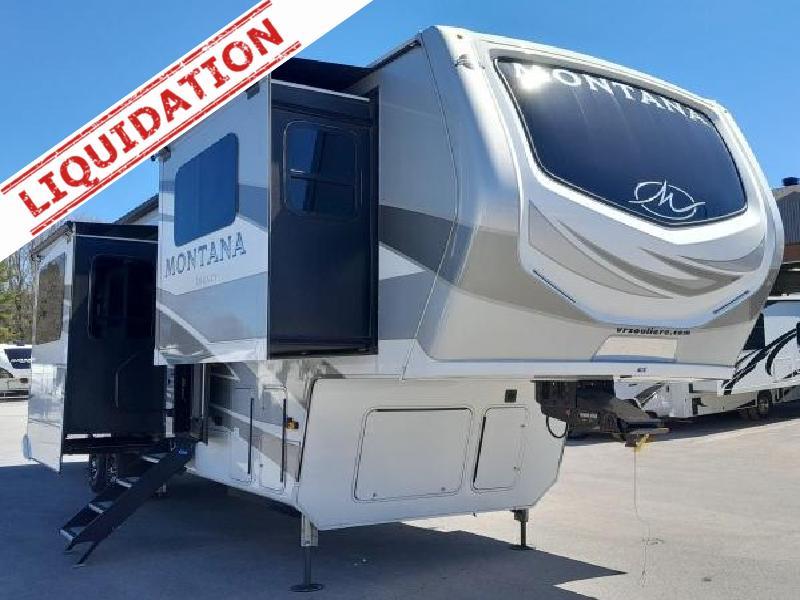
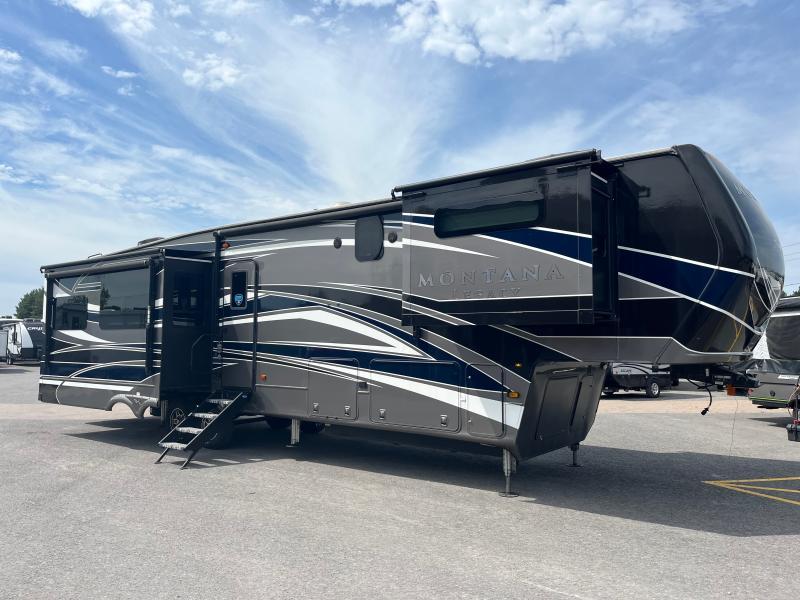
2022 Keystone RV Montana
Featured

2022 Keystone RV Montana

0 km
99 996 $
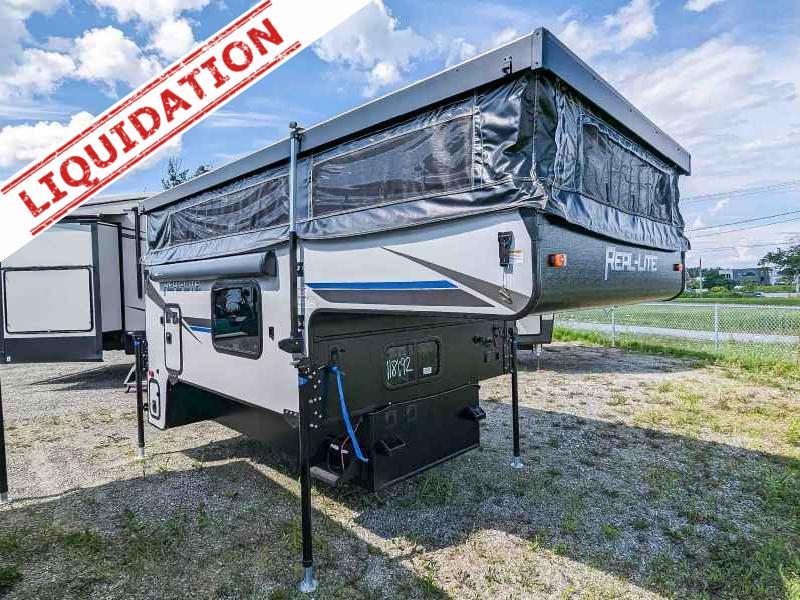
2023 Palomino Real Lite
NewFeatured

2023 Palomino Real Lite

0 km
25 000 $
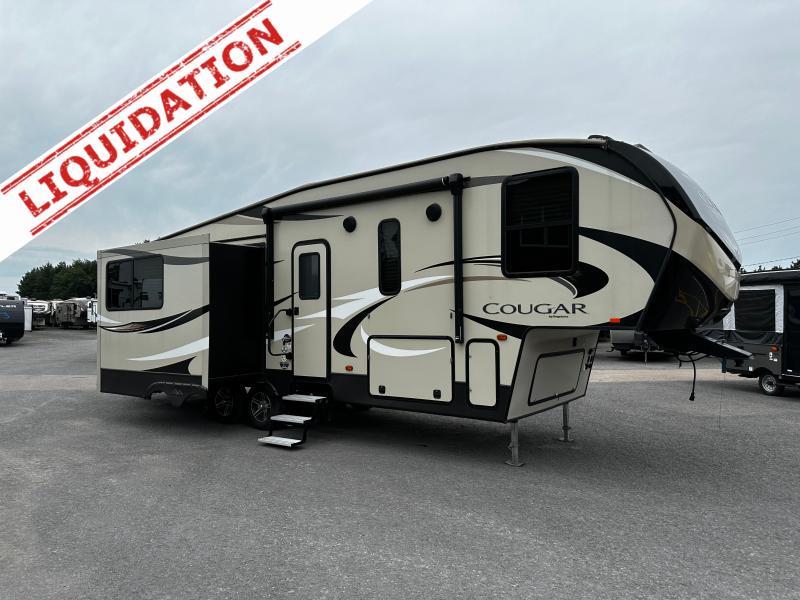
2019 Keystone RV Cougar
Featured

2019 Keystone RV Cougar

0 km
41 996 $
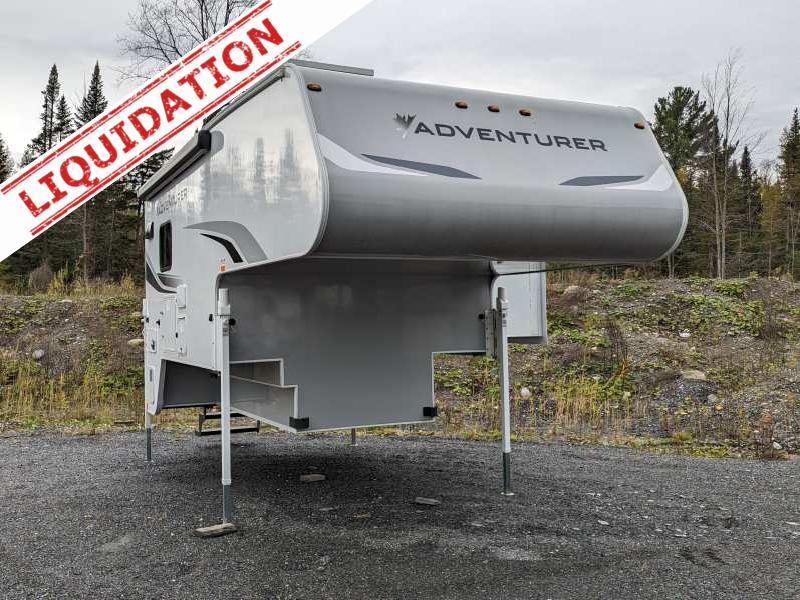
2023 Adventurer Adventurer
NewFeatured

2023 Adventurer Adventurer

0 km
69 997 $
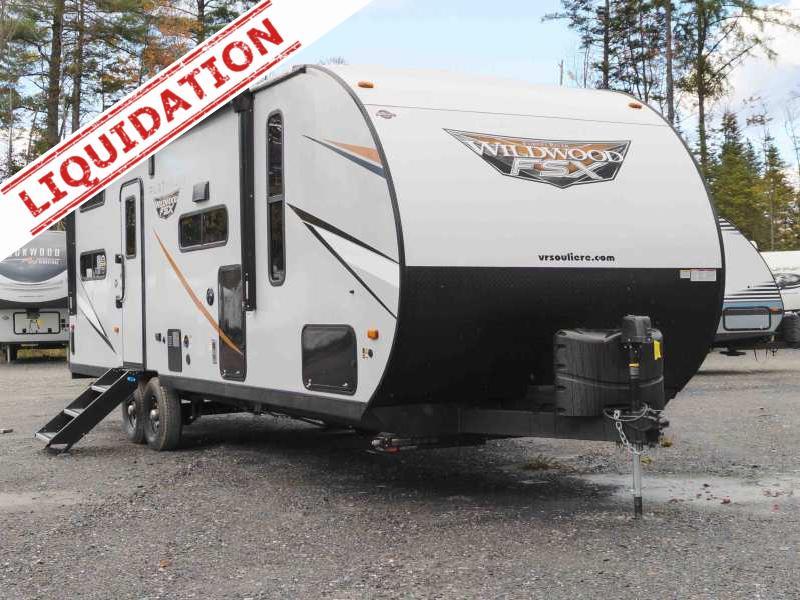
2023 Forest River Wildwood
Featured

2023 Forest River Wildwood

0 km
44 997 $
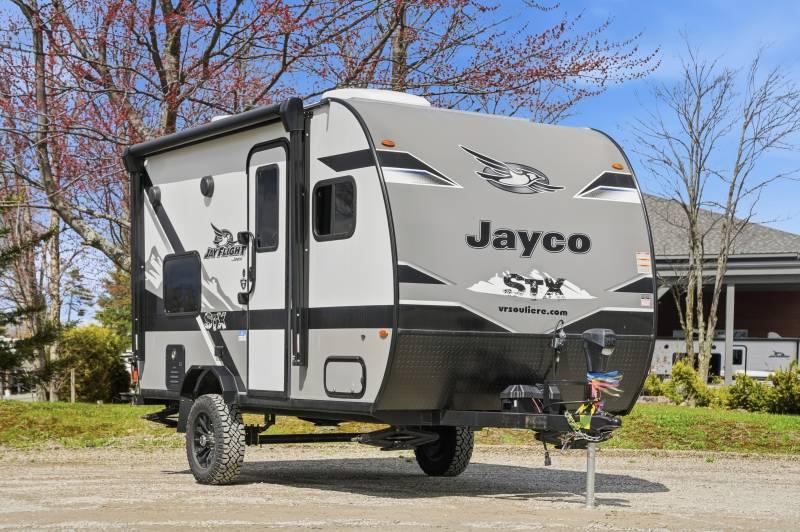
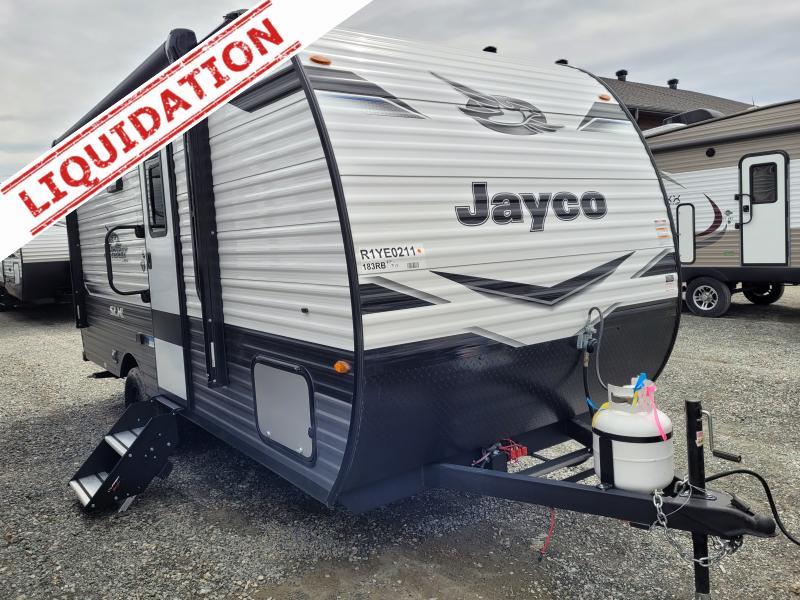
2024 Jayco JayFlight
NewFeatured

2024 Jayco JayFlight

0 km
28 796 $
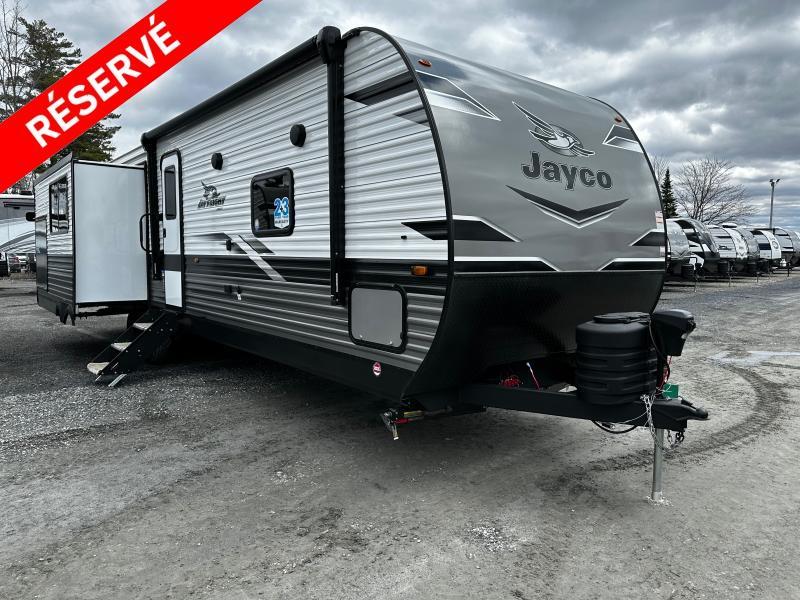
2024 Jayco JayFlight
Featured

2024 Jayco JayFlight

0 km
29 996 $
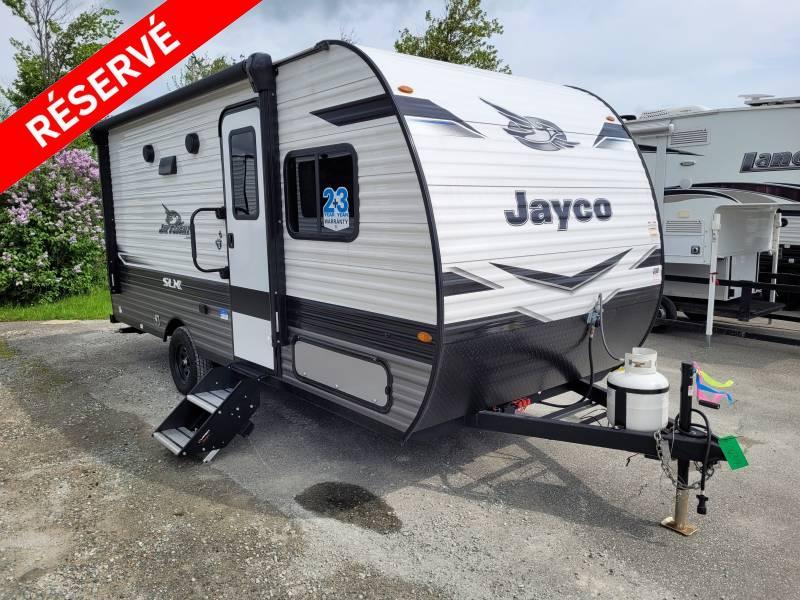
2024 Jayco JayFlight
NewFeatured

2024 Jayco JayFlight

0 km
59 267 $
2024 Jayco JayFlight
NewFeatured

2024 Jayco JayFlight

0 km
28 996 $
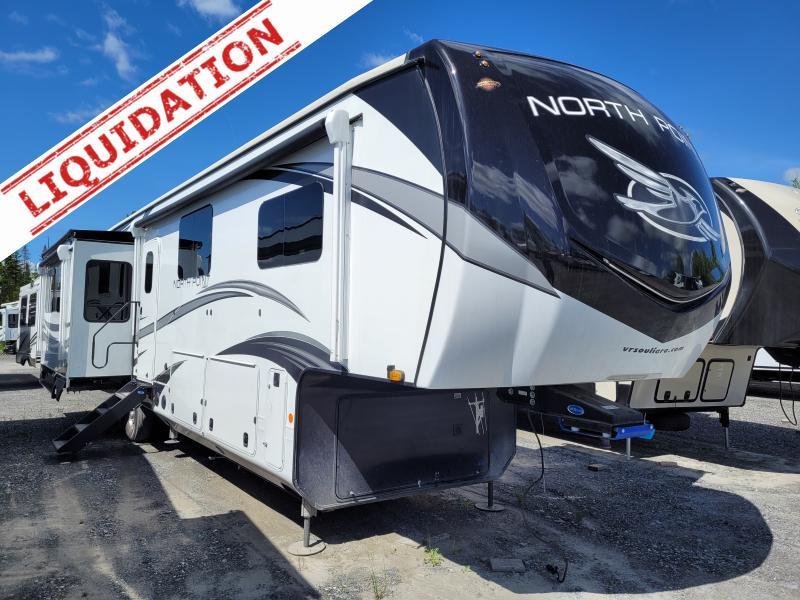
2022 Jayco North Point
Featured

2022 Jayco North Point

0 km
104 997 $
2024 Jayco JayFlight
NewFeatured

2024 Jayco JayFlight

0 km
28 997 $
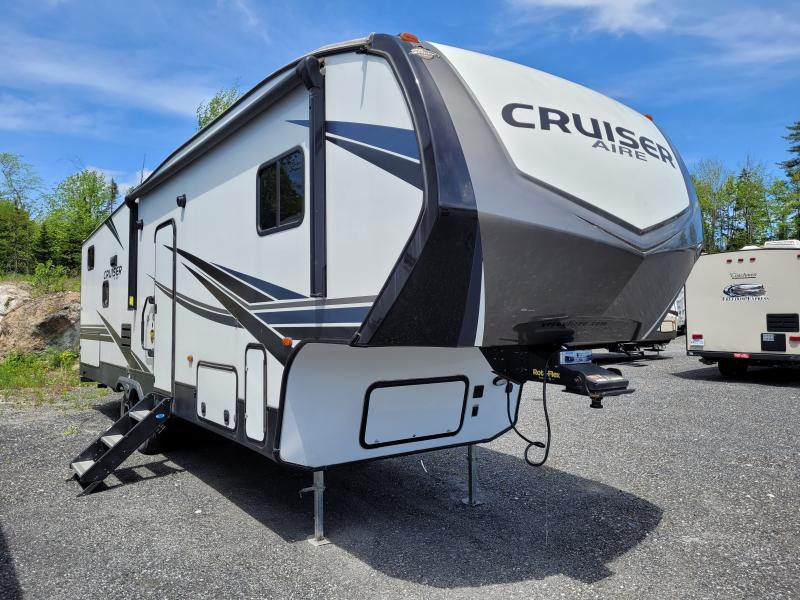
2019 Crossroads Cruiser
Featured

2019 Crossroads Cruiser

0 km
49 496 $
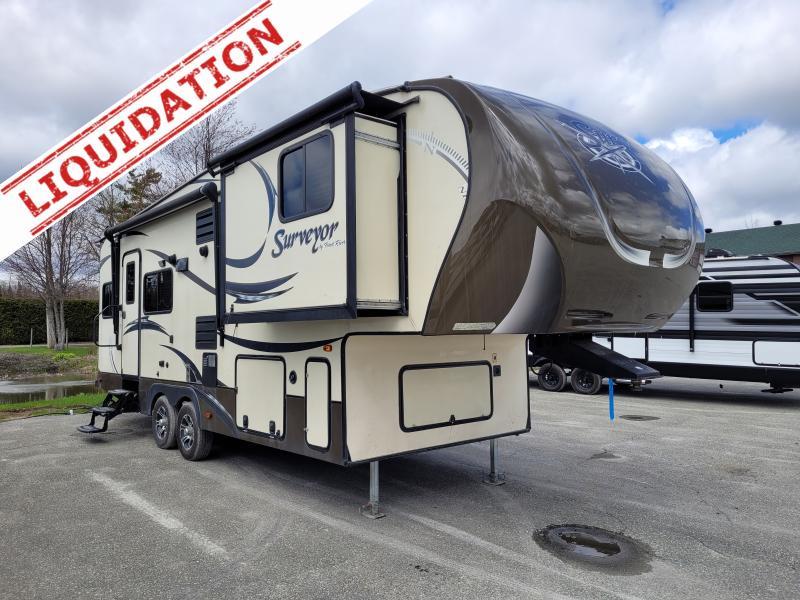
2015 Forest River Surveyor
Featured

2015 Forest River Surveyor

33 996 km
29 077 $
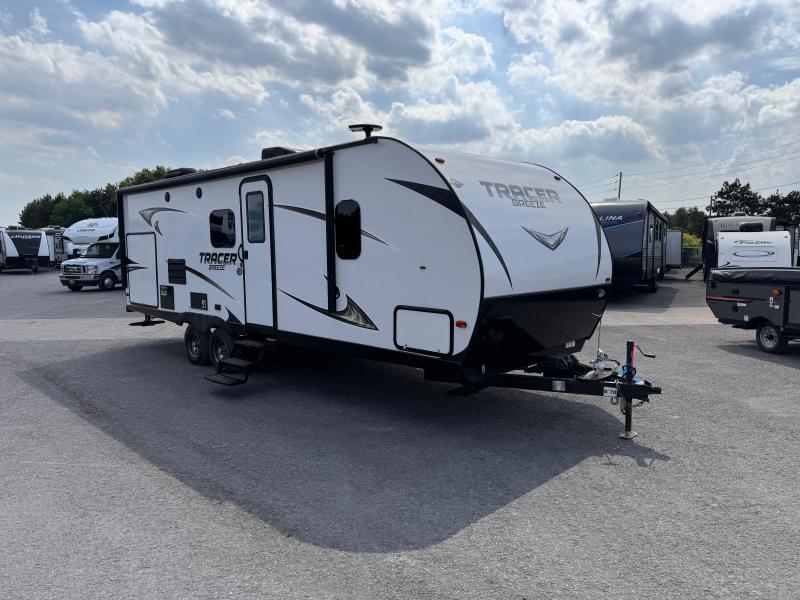
2019 Prime Time Tracer
Featured

2019 Prime Time Tracer

0 km
29 996 $
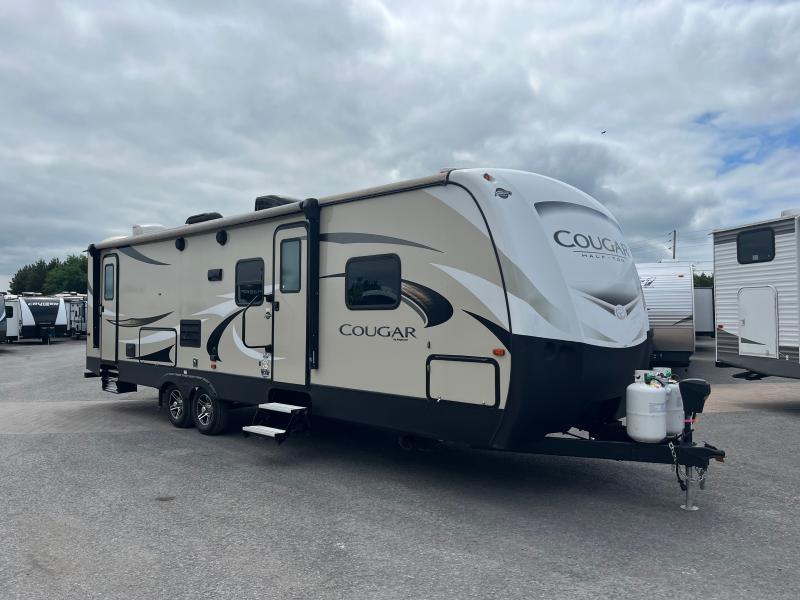
2018 Keystone RV Cougar
Featured

2018 Keystone RV Cougar

0 km
37 996 $
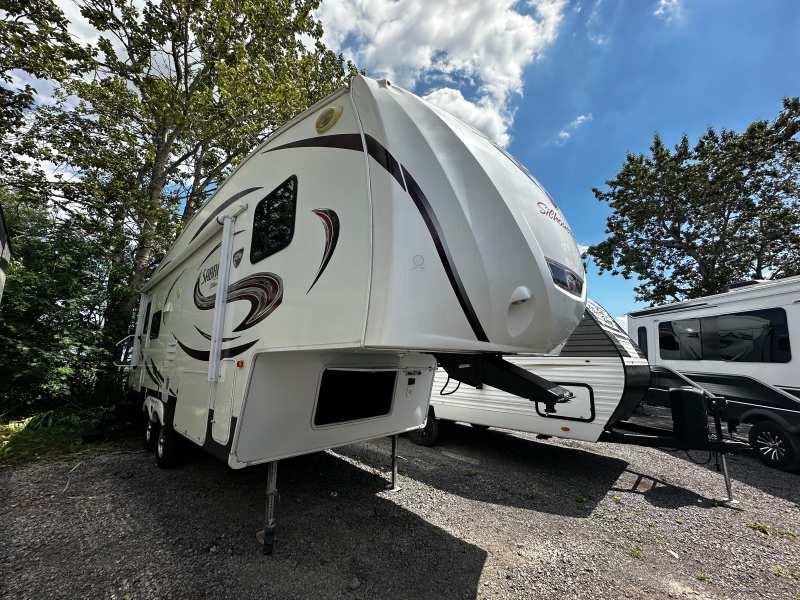
2014 Forest River Sabre
Featured

2014 Forest River Sabre

0 km
25 466 $
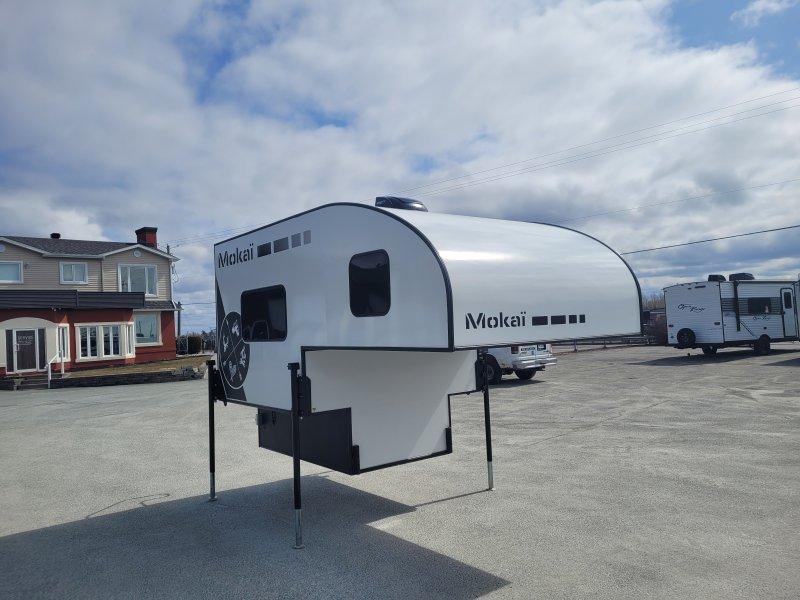
2024 Other Mokai
Featured

2024 Other Mokai

0 km
49 996 $
2021 Keystone RV Montana
Featured

2021 Keystone RV Montana

0 km
117 586 $
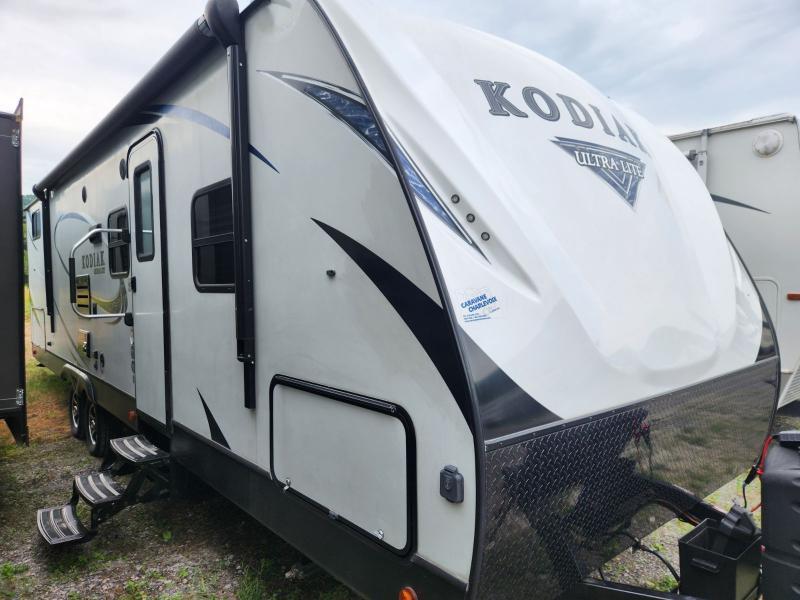
2018 Dutchmen Kodiak
Featured

2018 Dutchmen Kodiak

0 km
34 996 $
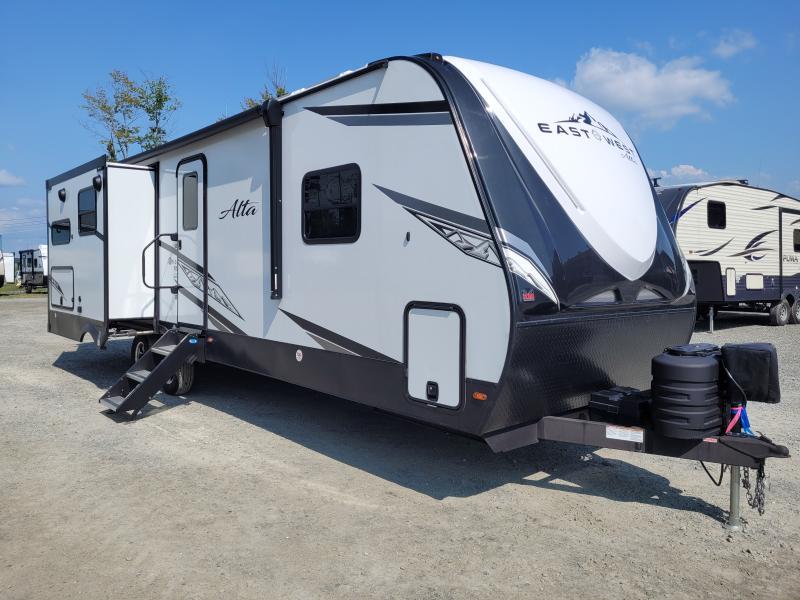
2024 East to West Della Terra
Featured

2024 East to West Della Terra

0 km
59 996 $
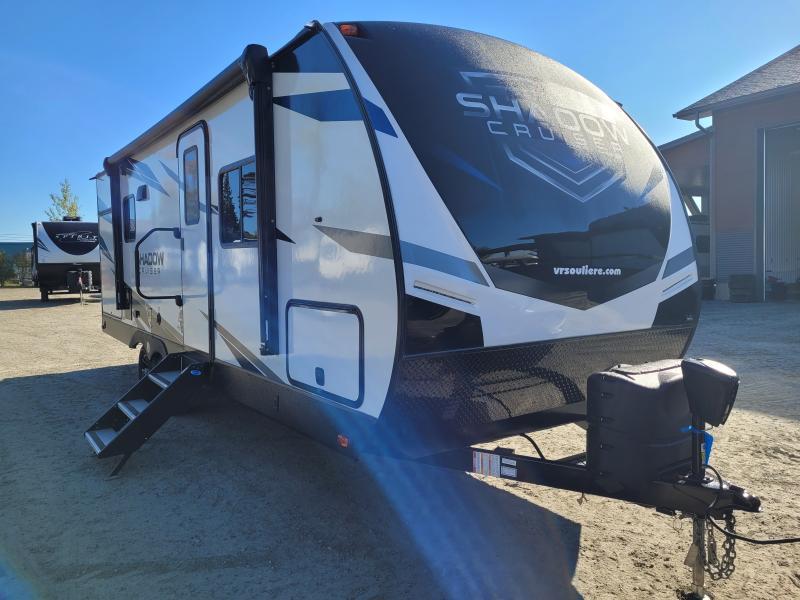
2022 Cruiser RV Shadow Cruiser
Featured

2022 Cruiser RV Shadow Cruiser

0 km
39 996 $

Frequently Asked Questions

01

What licence do I need to drive a Class A motorhome in Canada?

In every Canadian province, a standard Class 5 passenger licence authorizes you to drive a motorhome with a gross vehicle weight up to 11,000 kilograms, and Quebec extends that threshold to 14,000 kilograms on a Class 5 for personal use. That covers virtually every Class A, B and C motorhome sold at the listings on this page. Commercial use or towing combinations that exceed provincial thresholds require a Class 3 or upgraded endorsement. No provincial road test specific to motorhomes exists, but renting or borrowing a similar-sized unit before buying is the practical way to learn high-clearance manoeuvring and tight-campground backing.

02

How do Class A, Class B and Class C motorhomes actually differ?

Class A motorhomes are built on commercial bus-style chassis, typically 28 to 45 feet long, and offer the most interior space, largest holding tanks and highest price tags. Class B units are camper vans built inside a Mercedes Sprinter, Ford Transit or Ram ProMaster body, usually 19 to 24 feet, which makes them easy to park and fuel-efficient for couples. Class C motorhomes split the difference: a van-cab chassis with a coach body extending over the cab, typically 22 to 35 feet, which gives family sleeping capacity without full Class A bulk. Pick the class by how many people sleep on board and how often you plan to drive daily.

03

Is a towable travel trailer cheaper than a motorhome over five years?

Usually, yes, assuming you already own a capable tow vehicle. Travel trailers like the Aspen Trail or Catalina cost 40 to 60 percent less than motorized equivalents of similar sleeping capacity, carry lower insurance premiums, and separate engine depreciation from coach depreciation. A truck or SUV you already drive daily handles the towing, and when the trip ends you park the trailer and drive home in a normal vehicle. Motorhomes avoid the hitching chore and let passengers use the coach while rolling, but you pay for an engine and chassis that sit unused between trips. Five-year cost of ownership usually favours towables.

04

How do I winterize an RV for Canadian cold without damaging the plumbing?

Winterization protects the fresh, grey and black tanks plus every line between them. Drain the water heater, bypass it with the winterization valve, then pump non-toxic RV antifreeze through the system until pink fluid flows from every hot and cold tap, shower, toilet and exterior shower. Blow the lines with low-pressure compressed air beforehand if you want a belt-and-suspenders job. Empty and rinse the grey and black tanks, add a small amount of antifreeze to each, and remove batteries for indoor trickle-charging. Skip any step and you risk split PEX lines or a cracked water pump, each of which costs hundreds to replace.

05

From what point does a fifth wheel beat a conventional bumper-pull trailer?

A fifth wheel becomes the better choice once trailer length passes roughly 30 feet or when loaded weight approaches 10,000 pounds. The in-bed hitch geometry puts weight over the truck's rear axle, which stabilizes handling on windy prairie highways and improves control when a semi passes you on the Trans-Canada. Bumper-pull trailers remain easier to hitch and store, work with a standard receiver, and allow the tow vehicle to serve other duties without a bed-mounted hitch. Families upgrading from tent camping to occasional long weekends usually stick with a lighter travel trailer; full-timers or snowbirds lean toward fifth wheels for stability and living space.

Browse other categories