AutoDeal Canada

Boat for Sale in Canada

7 224 vehicles available Average price: $45 196

CATEGORY GUIDE · BOAT

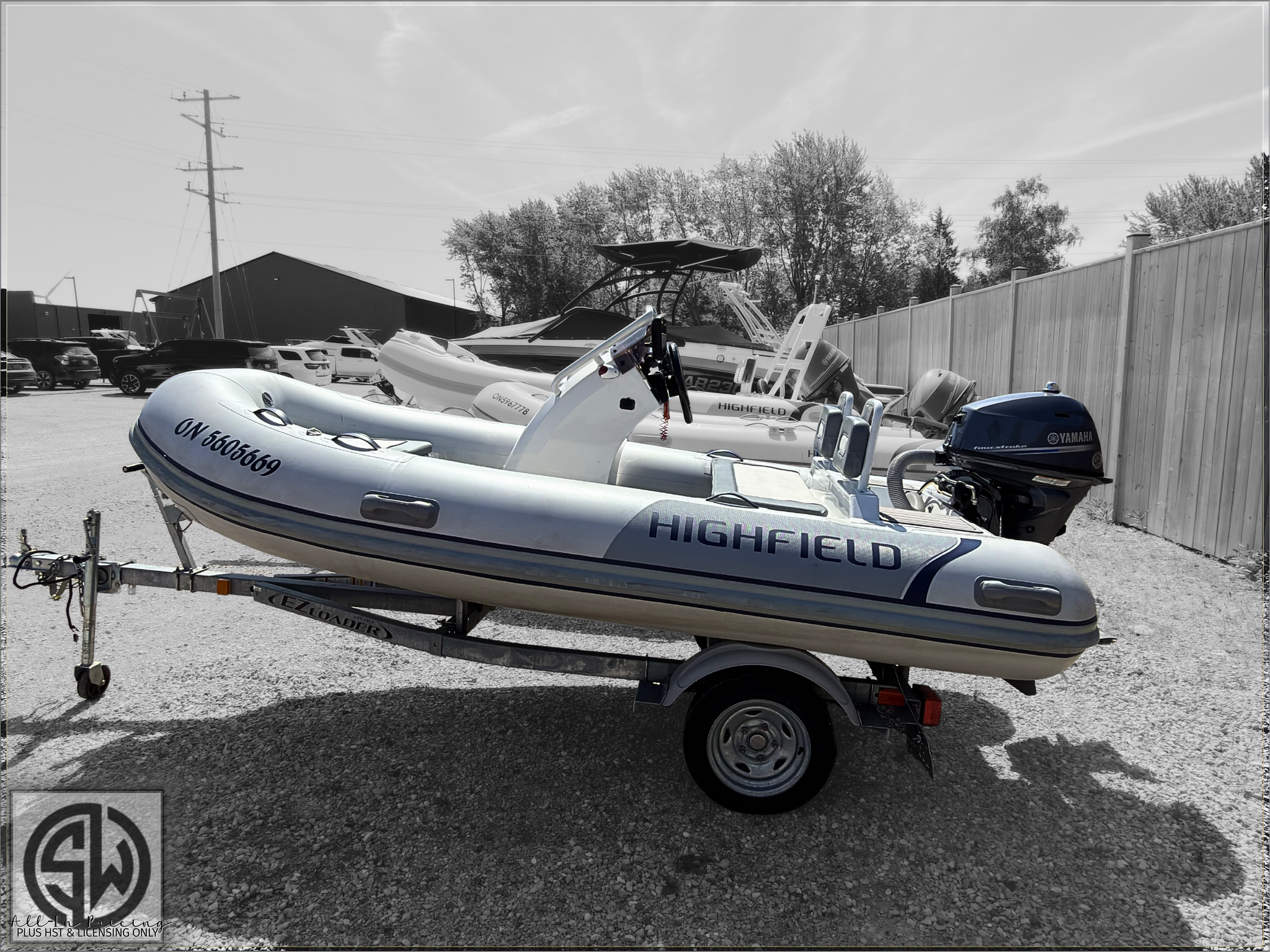
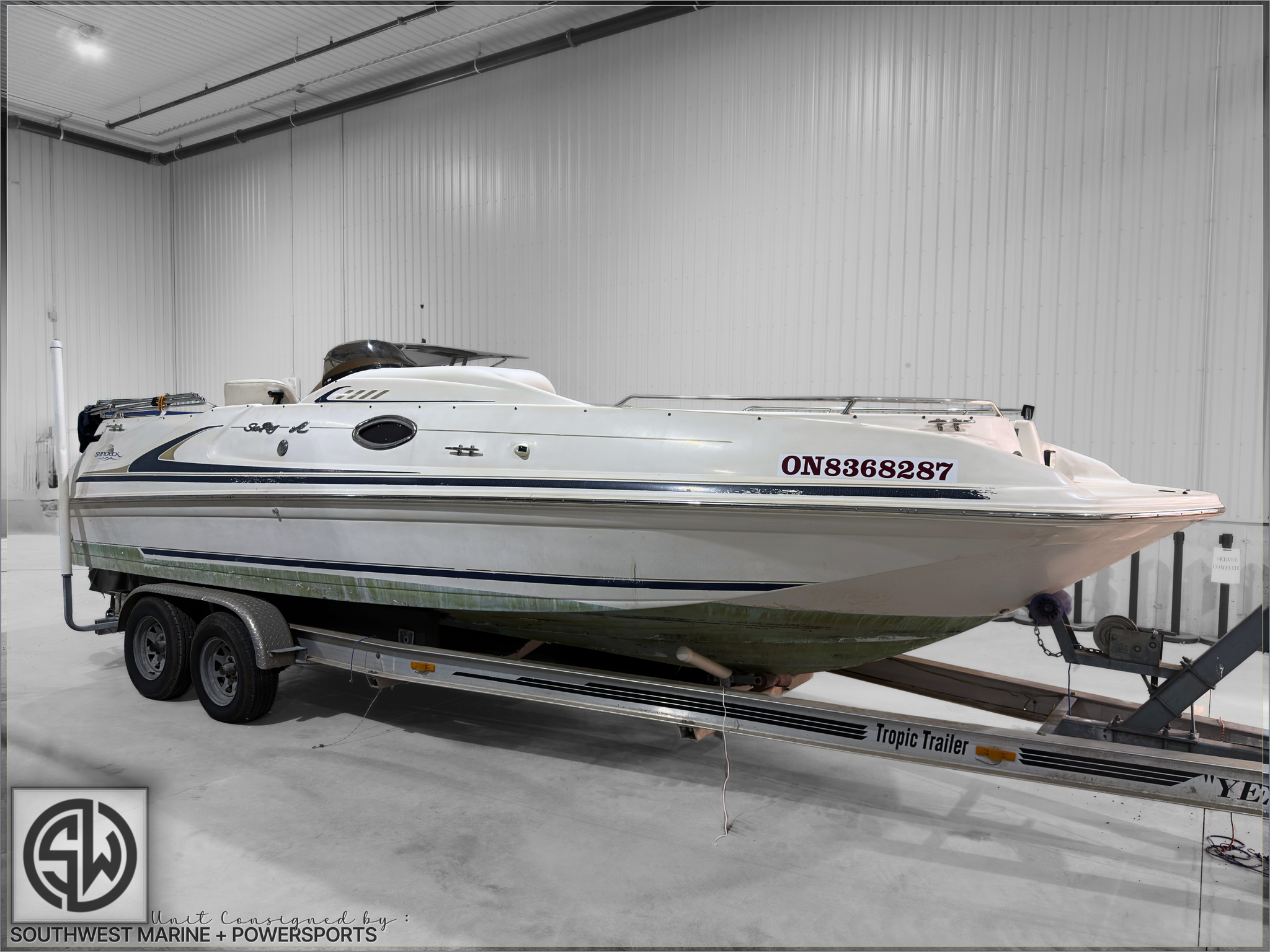
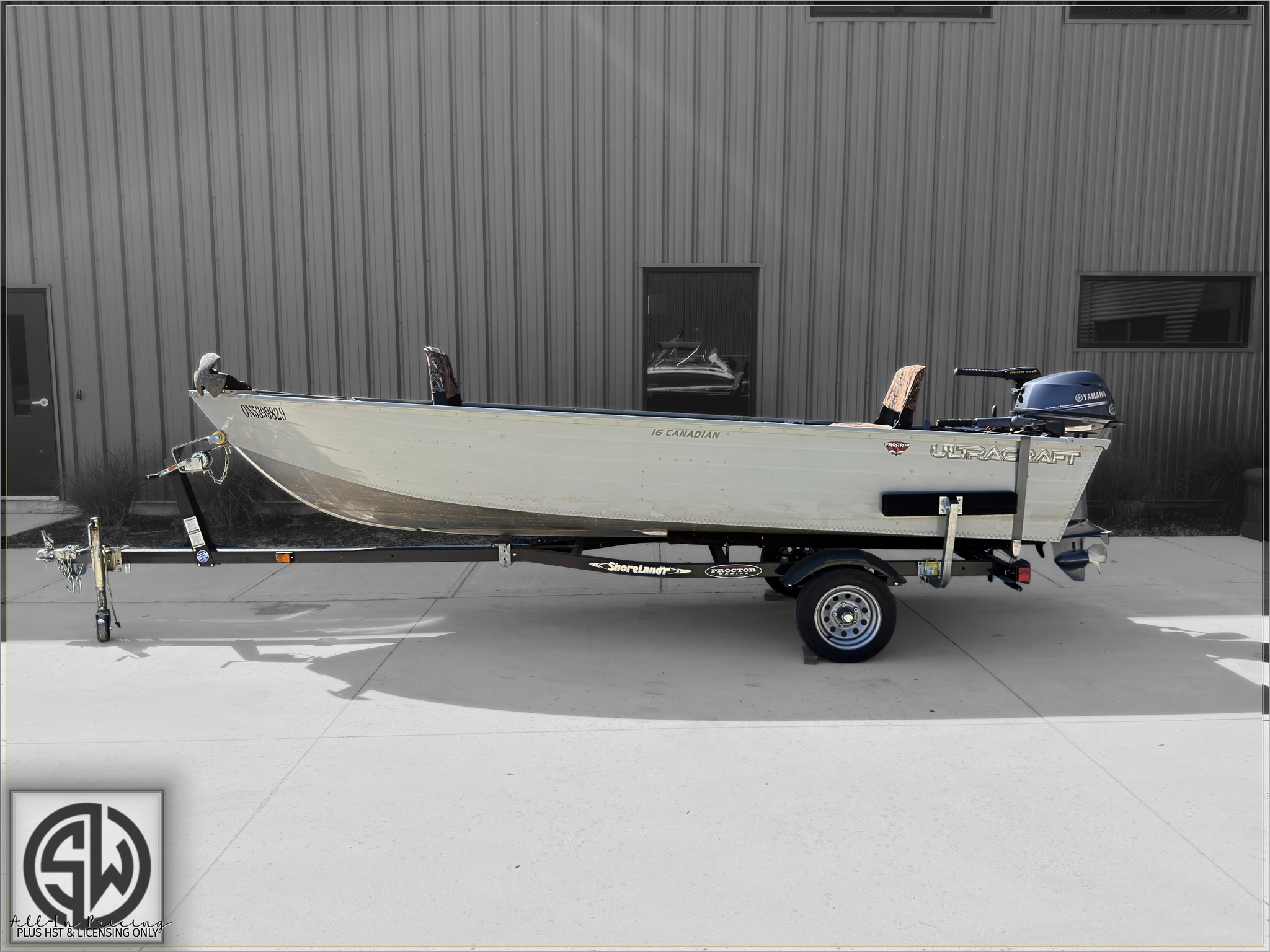
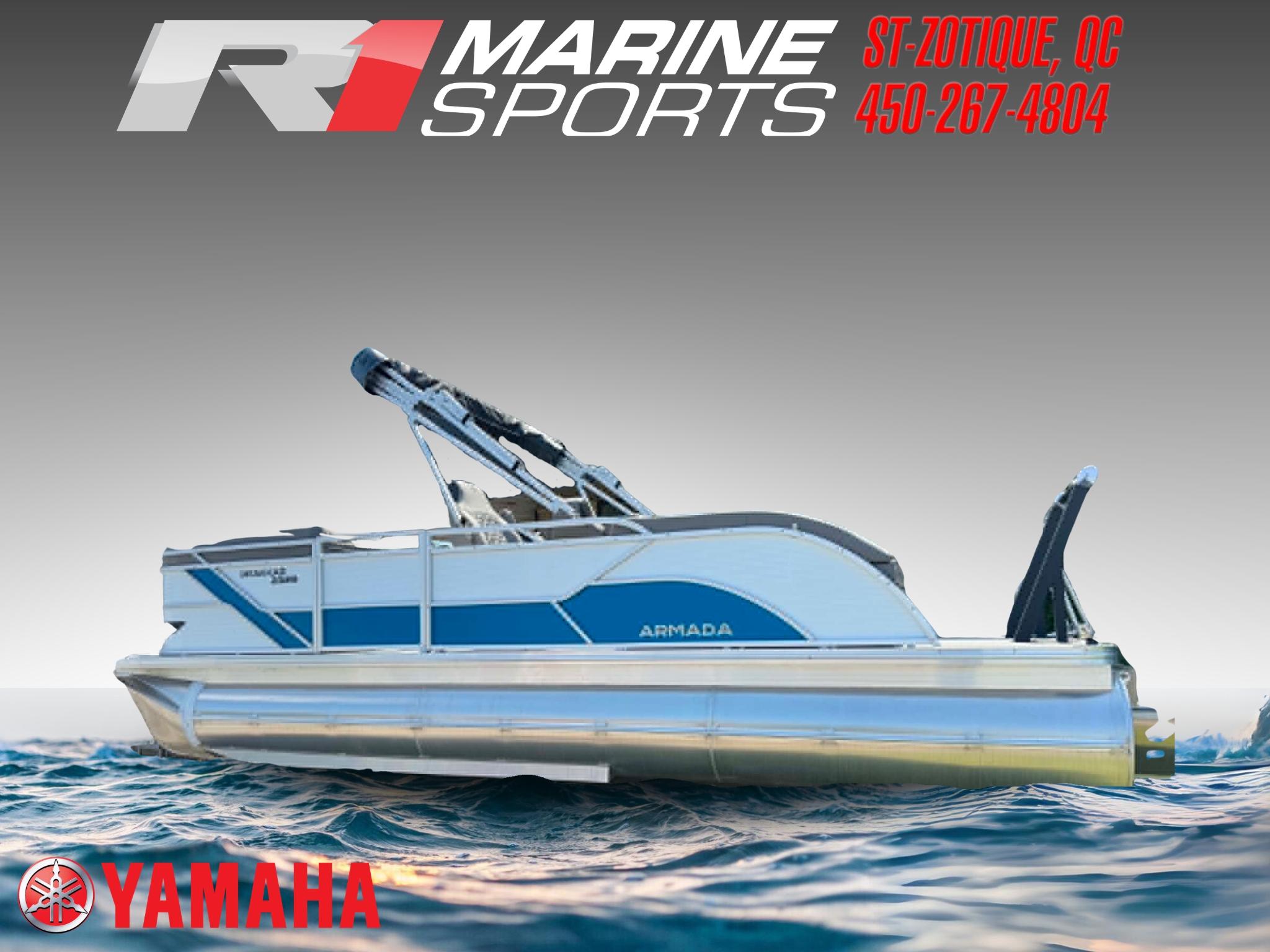
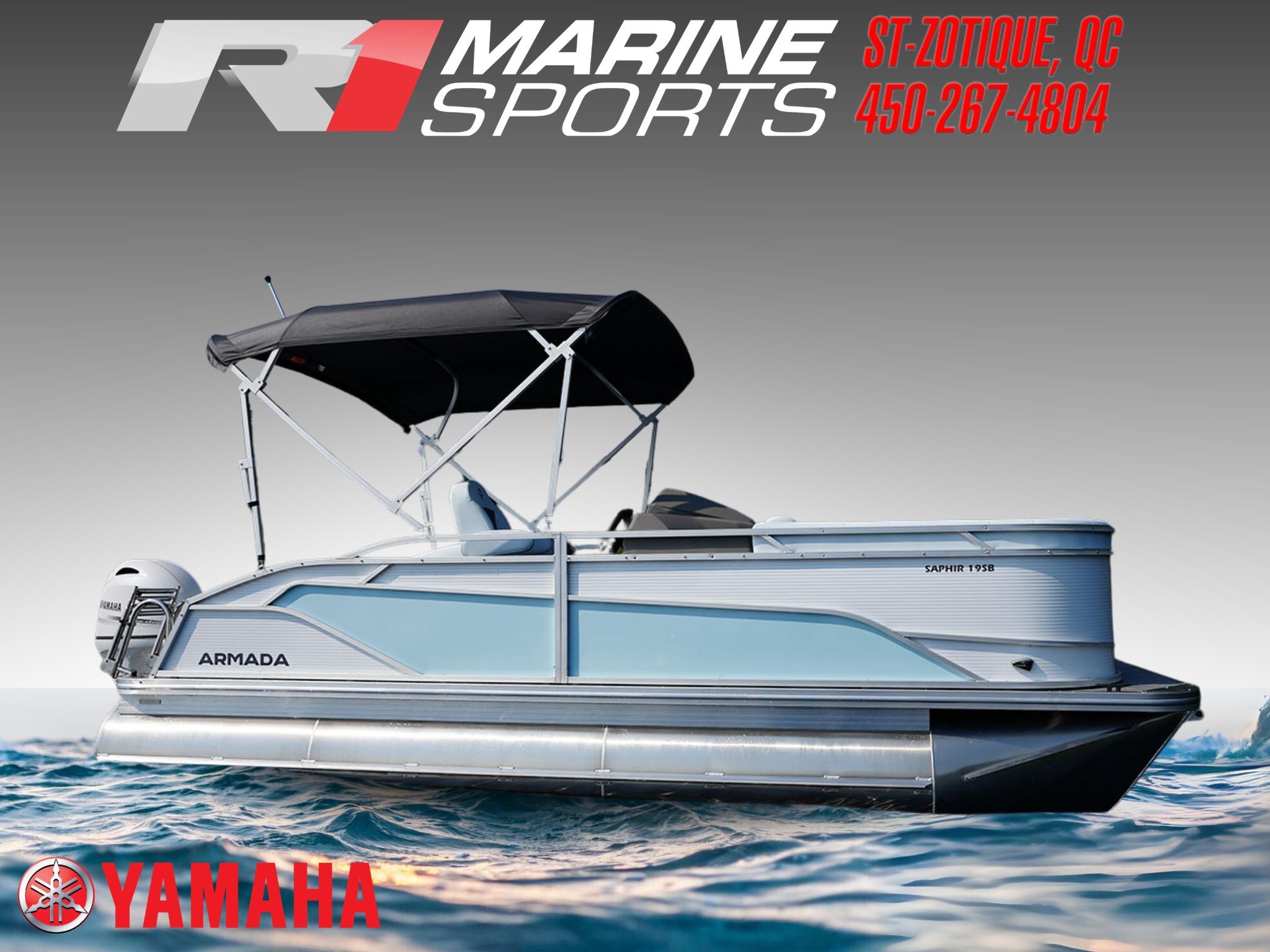
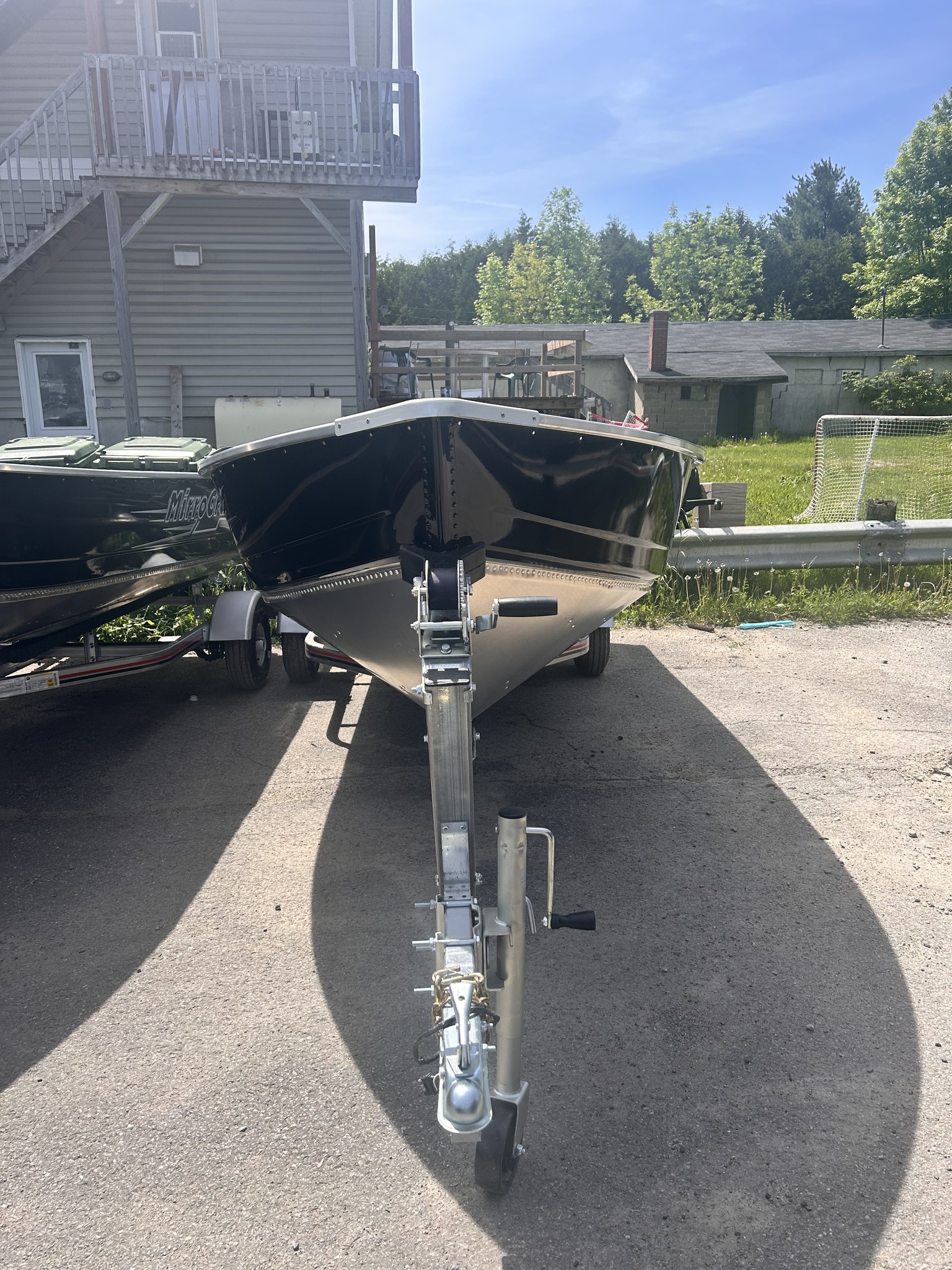
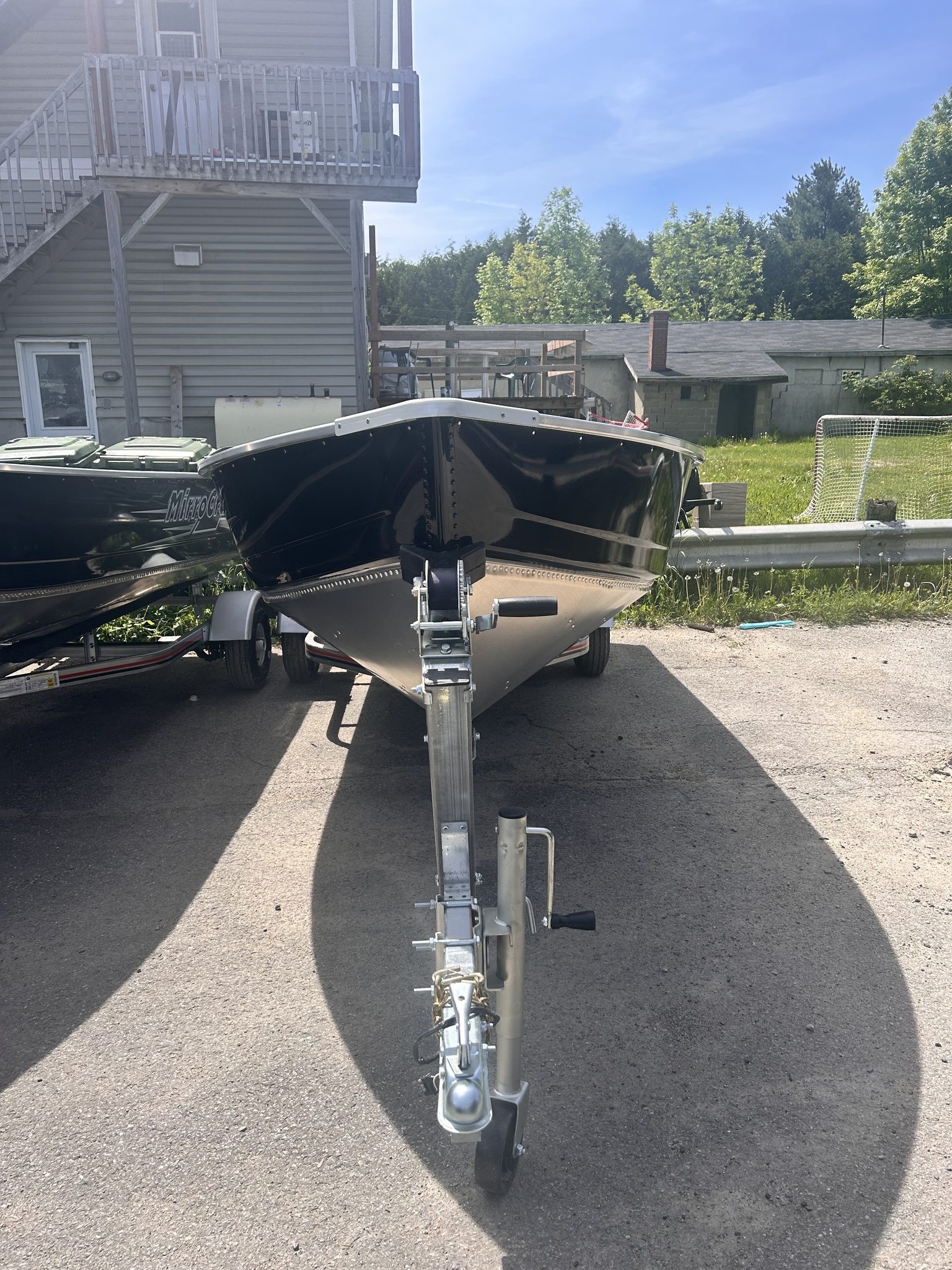
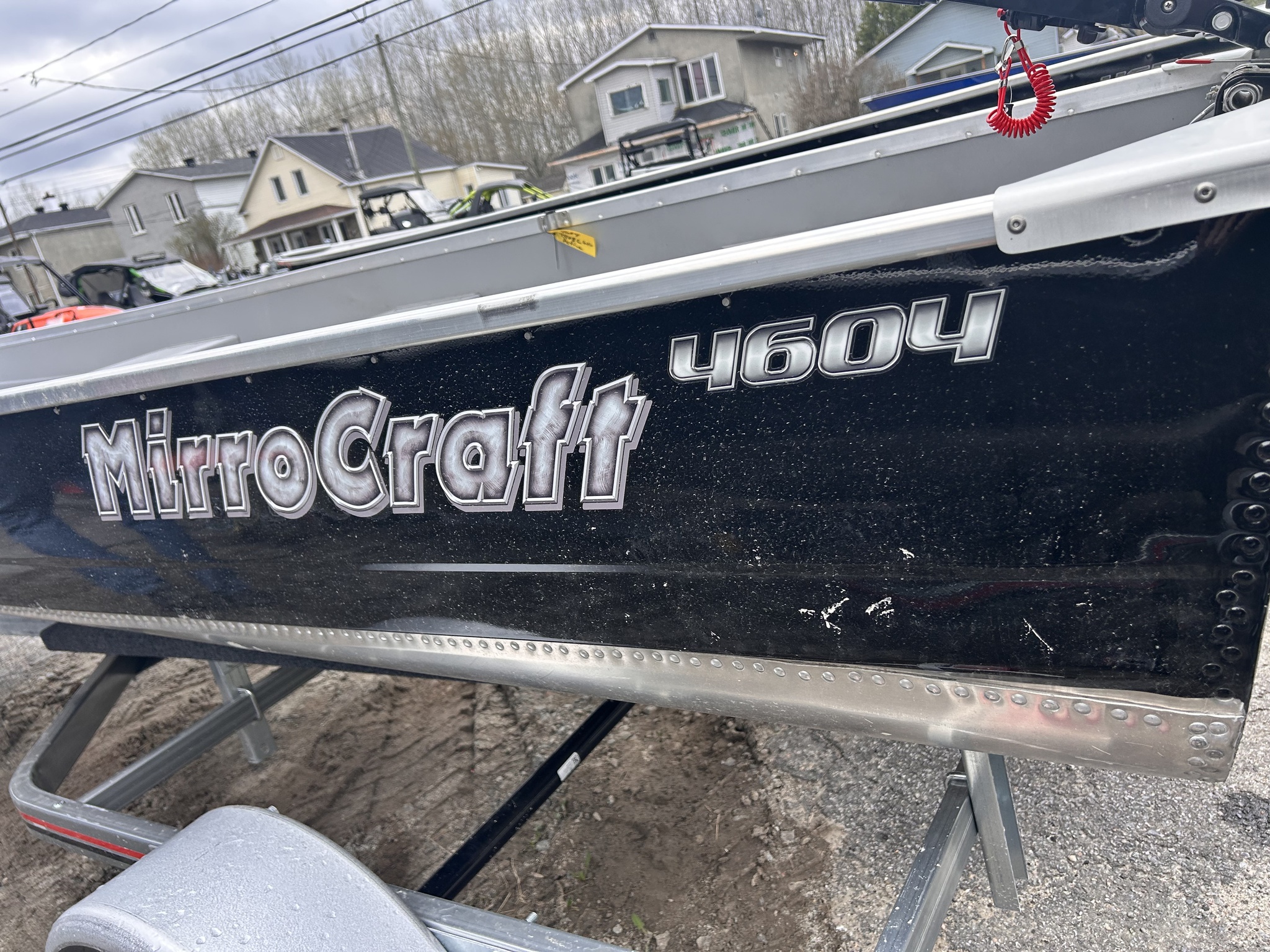
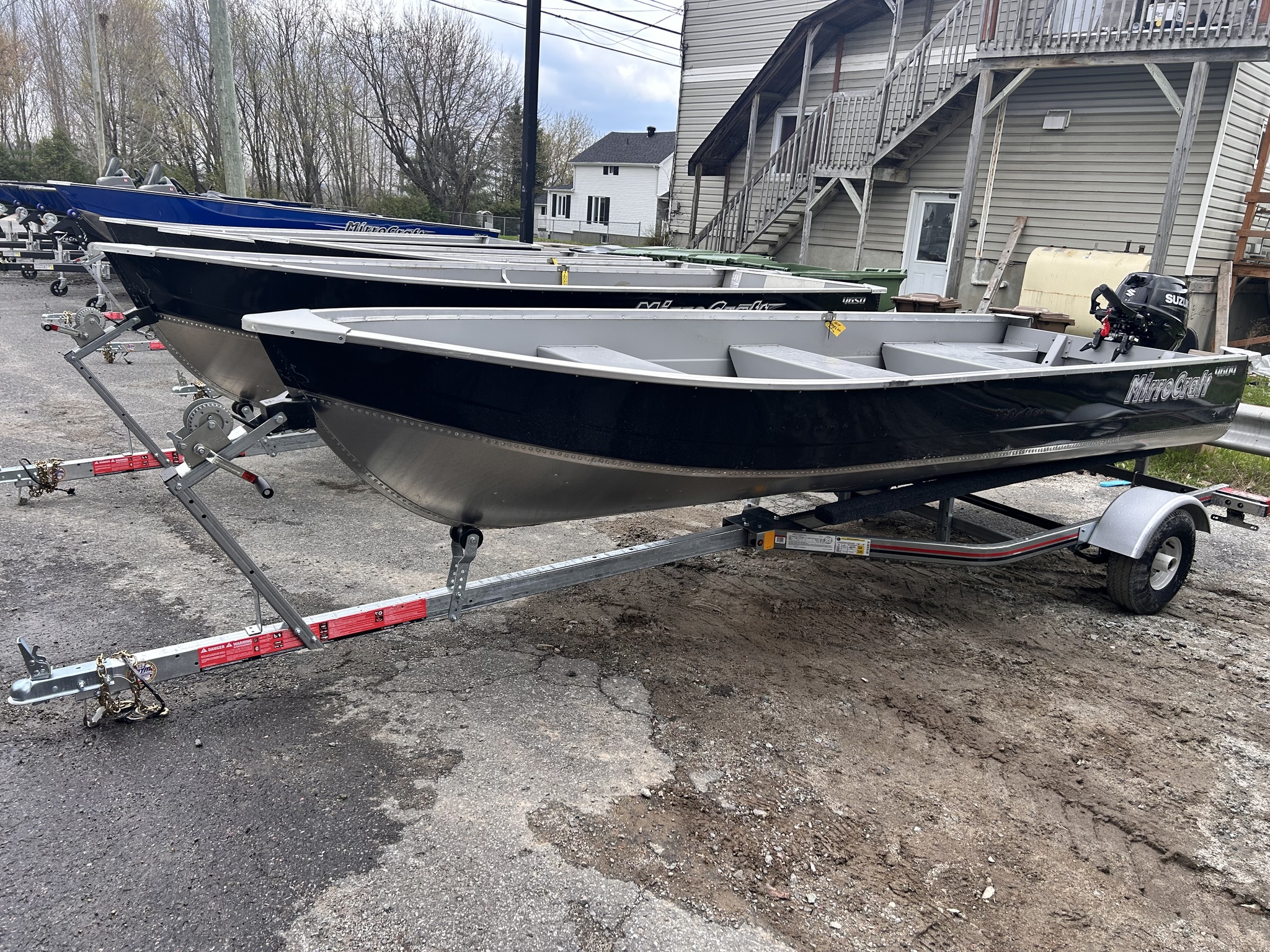
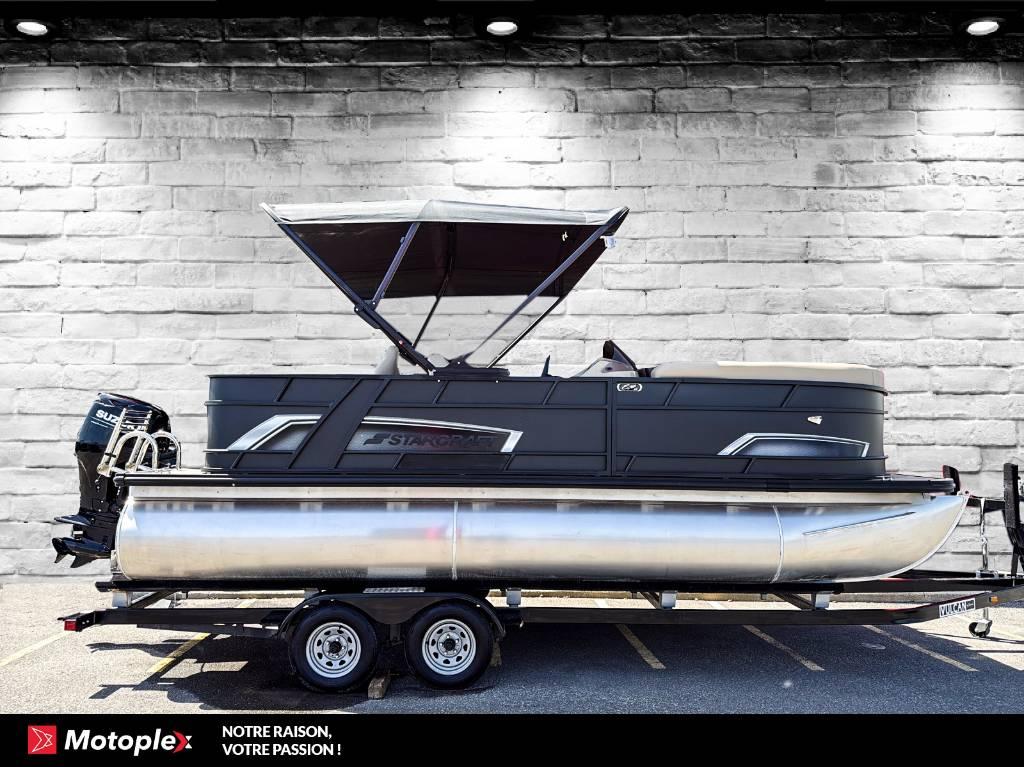
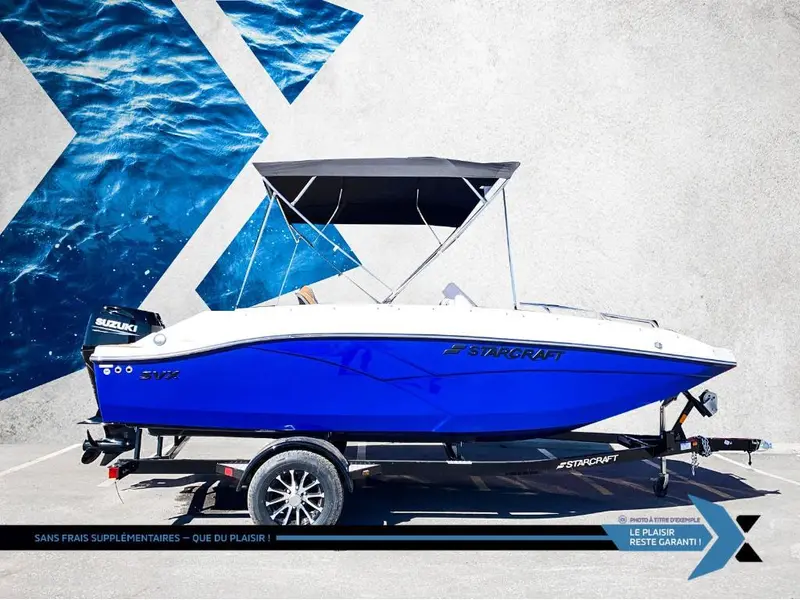
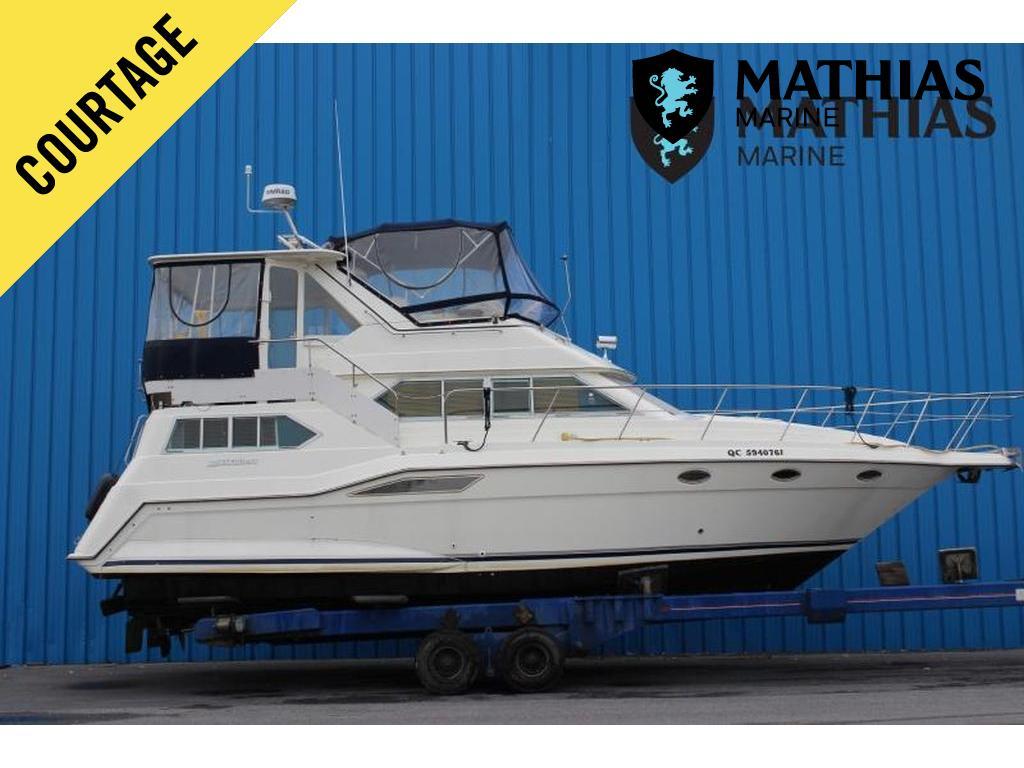
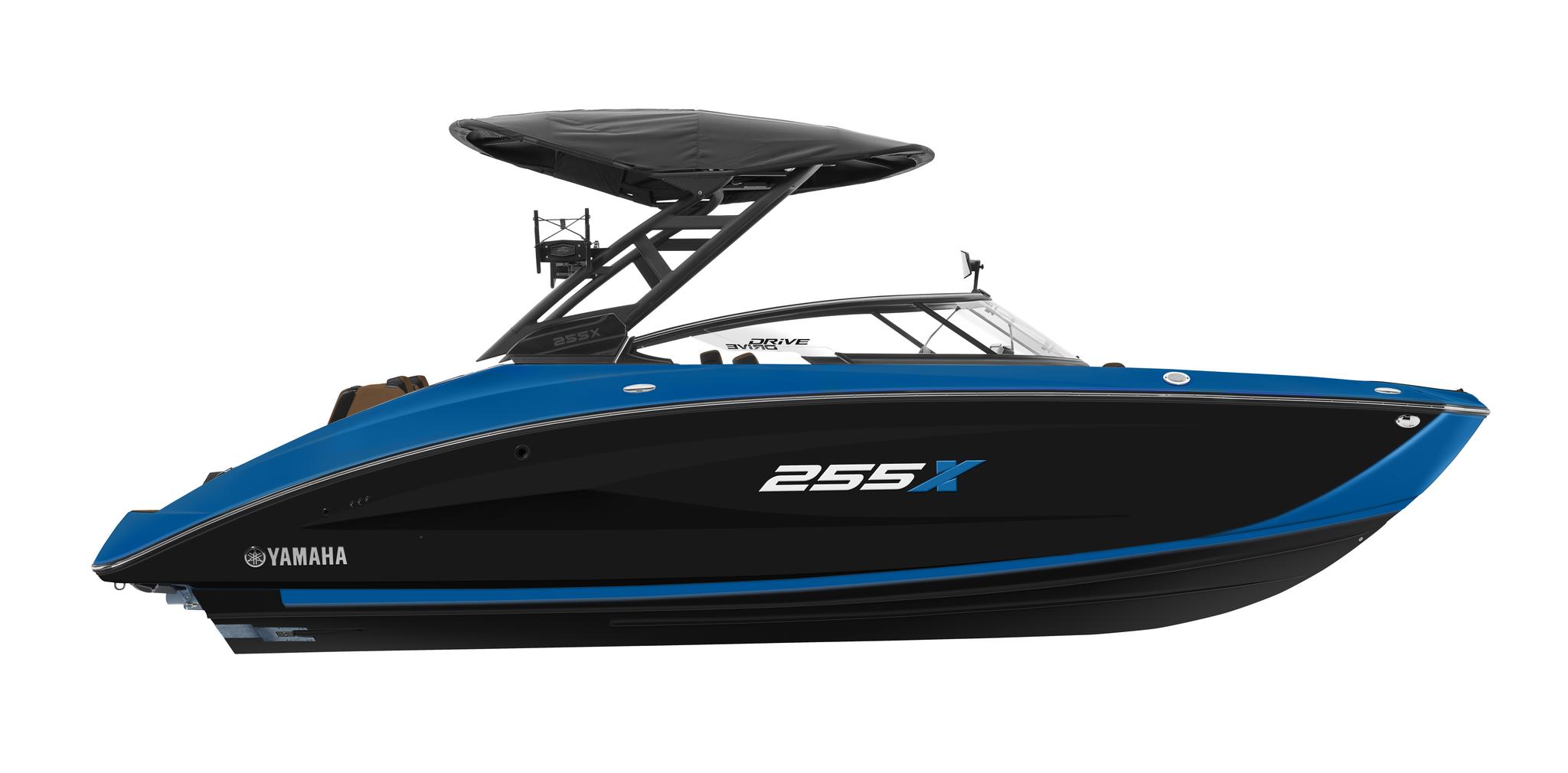
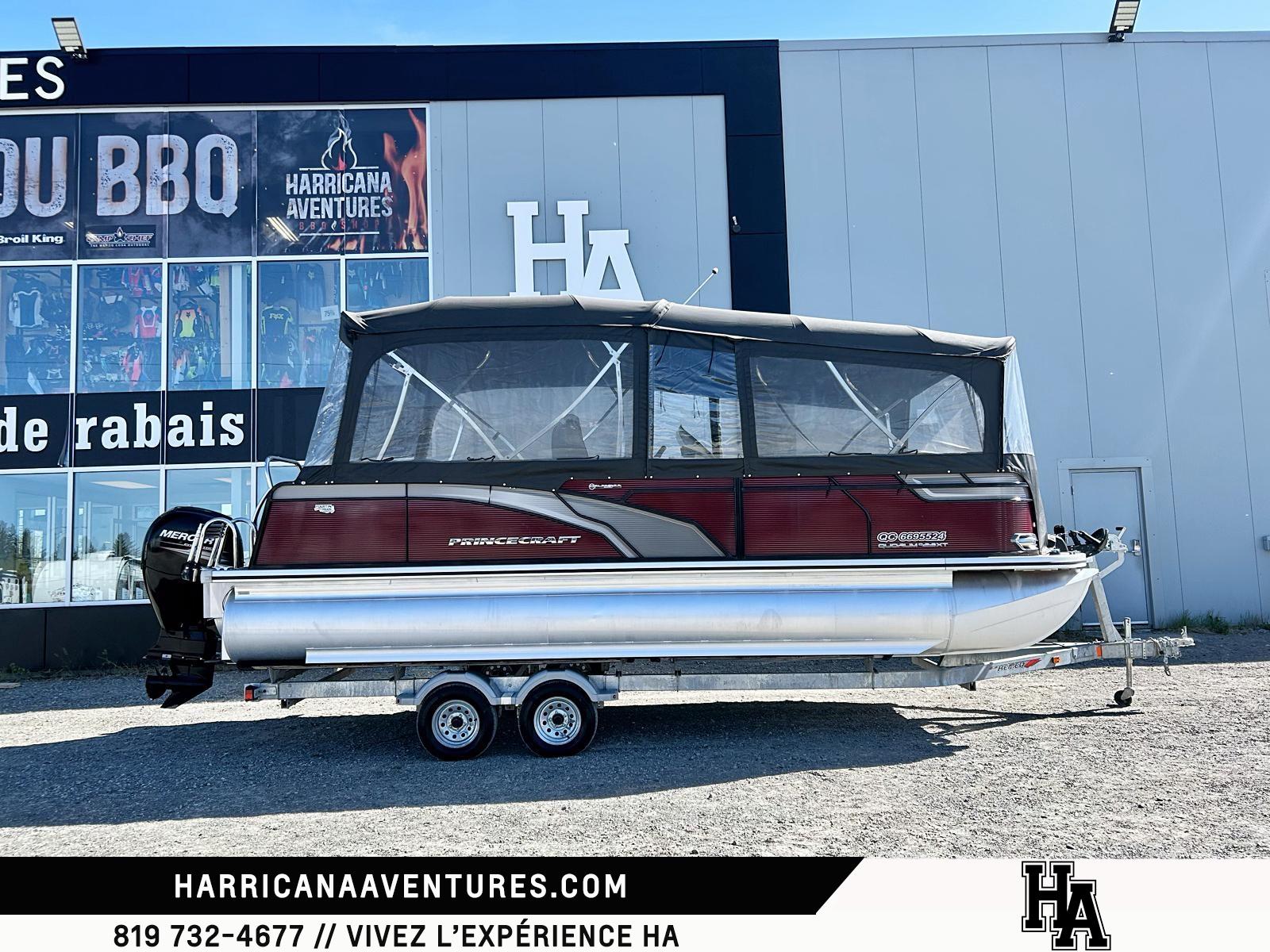
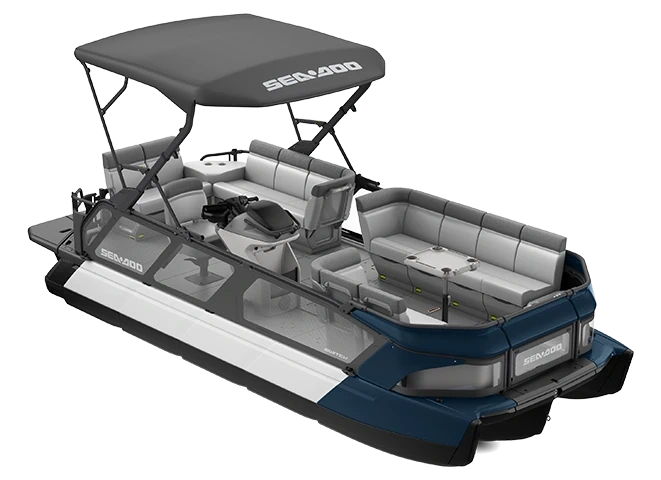
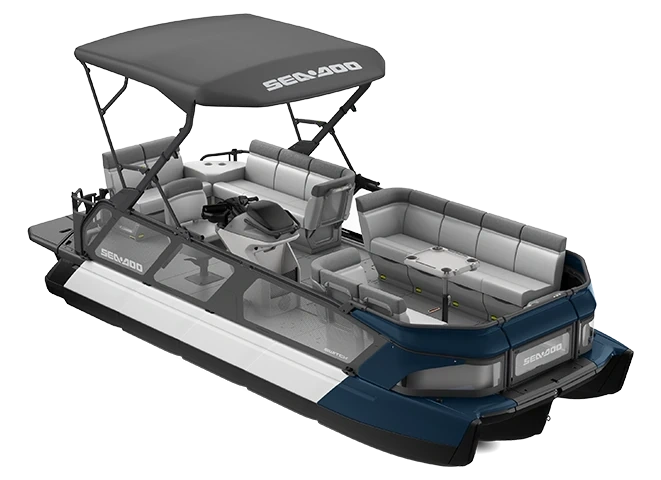
Boats listed on this page total 5,633 units across Canadian marinas and dealers, averaging $20,586 with a median year of 2022. Mileage here is counted in engine hours rather than kilometres, which reshapes how buyers evaluate wear: a 300-hour outboard is mid-life, a 1,500-hour diesel inboard may still have years of reliable service. Mercury outboards dominate the power side of the listings because the brand's service network stretches from the Gulf Islands to the Maritimes, and dealers stock parts for two-stroke legacy engines alongside current four-stroke and V8 FourStroke platforms. Hull types on offer include pontoons for family lake days, bass boats rigged for competitive fishing, ski and wake platforms built around inboard towers, sailboats for Great Lakes cruising, cabin cruisers for weekend overnights, and jet boats for shallow-river exploration. Canadian operators need a Pleasure Craft Operator Card before leaving the dock, and boating season compresses into roughly May through October on most lakes. Filter listings by length, propulsion and intended use to narrow toward a hull that suits your water and your crew.

Inventory

7 224

vehicles

Avg price

45 196 $

Avg km

300

km

Median year

2026

Frequently Asked Questions

01

What licence or card do I need to operate a powered boat in Canada?

Every operator of a motorized pleasure craft needs a Pleasure Craft Operator Card (PCOC), regardless of age, engine size or boat length. The card is earned through an accredited online or in-person course and exam, costs under $50 and remains valid for life. It is not a licence in the traditional sense, so it does not need renewal, but you must carry proof on board. Separately, the vessel itself needs a Pleasure Craft Licence if the engine exceeds 10 horsepower; that licence assigns the hull-identification number displayed on the bow. Courtesy checks by the RCMP or provincial marine units on busy lakes are common, so keep paperwork accessible.

02

Should I choose an outboard or an inboard for a Canadian lake boat?

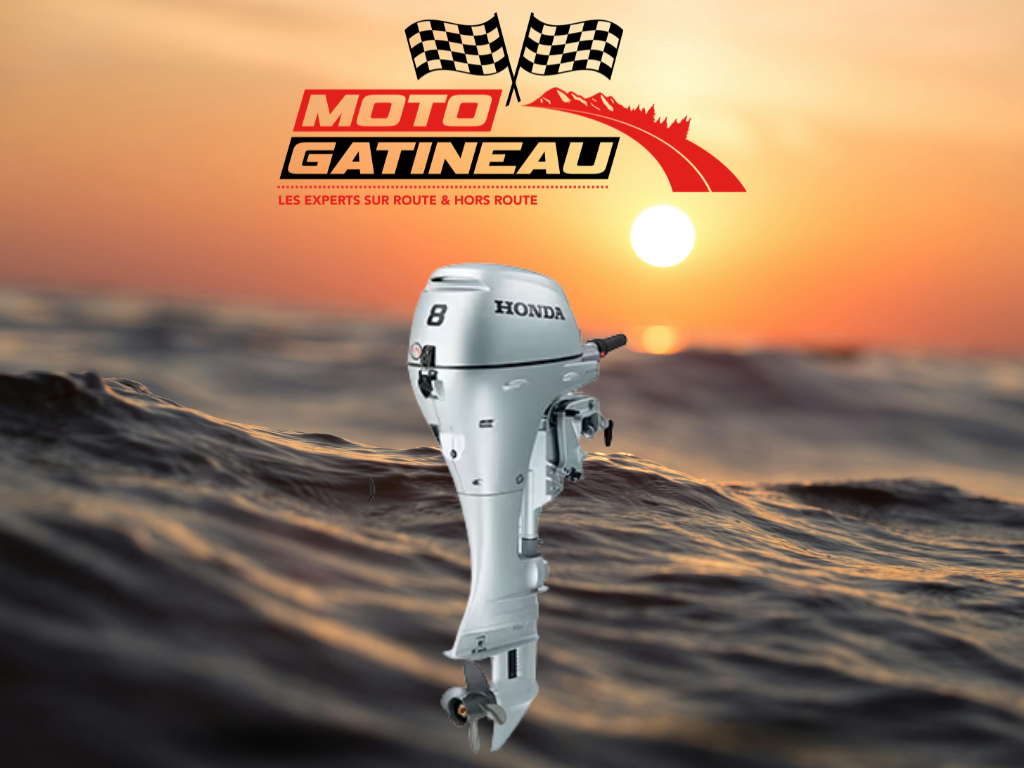
Outboards win on simplicity, shallow-water capability and winterization ease, which matters when your boat lives on a trailer and crosses the Manitoba or Ontario ice-out schedule each spring. Mercury four-stroke outboards dominate listings precisely because tilting the engine clear of the water avoids freeze damage and makes end-of-season service a one-afternoon job. Inboards and sterndrives offer a cleaner transom for ski and wake use, stronger torque for towing and lower centre of gravity for rough water, but winterization involves flushing blocks and risers that must be drained thoroughly. Pick the propulsion that matches your storage reality and how hard you plan to tow.

03

How do I read engine hours when comparing used boats on this page?

Engine hours are the true odometer of the marine world. A well-maintained four-stroke outboard can reach 2,000 to 3,000 hours before needing major work, while a two-stroke legacy outboard typically shows wear sooner, around 1,000 to 1,500 hours. Diesel inboards routinely pass 5,000 hours in commercial service. Compare hours against model year: a 2022 pontoon with 40 hours has barely been run, while a 2015 ski boat with 800 hours is approaching mid-life. Request a compression test and ask for oil-analysis reports on higher-hour engines. Mercury dealers can pull digital engine-history logs on newer models, which removes guesswork.

04

Which boat type suits a family splitting time between tubing and fishing?

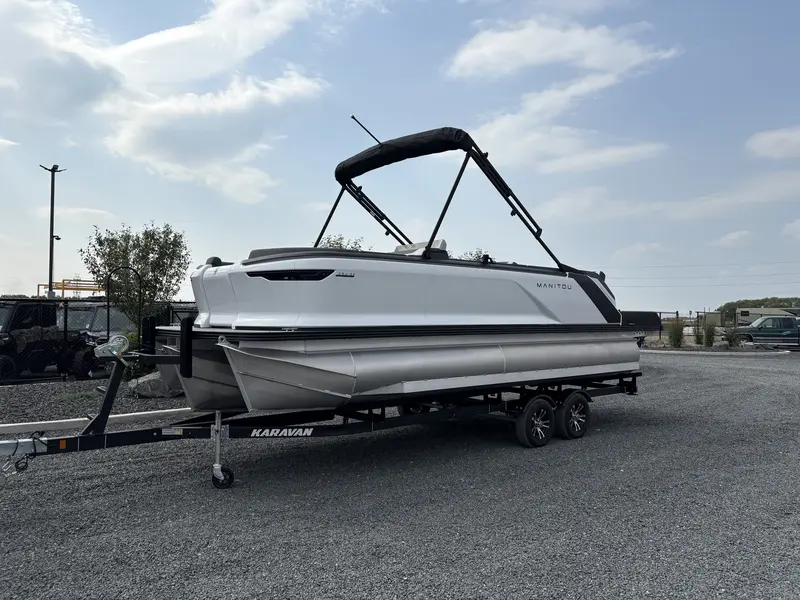
A pontoon with a 115 to 150 horsepower outboard is the most versatile compromise for mixed-use Canadian lake families. The flat deck carries eight to twelve people for tubing pulls and sunset cruises, the railings keep small children safe, and removable fishing chairs at the bow give anglers casting room during calm mornings. Bass boats and ski boats each excel at one task but frustrate the other, while deck boats and bowriders split the difference with more performance and less capacity. Budget for a quality ski tube, a fish finder and a good Bimini top, since Canadian summer sun at midday is harsher than most buyers expect.

05

In which cases does buying a boat without a trailer actually save money?

Skipping the trailer makes sense only when the boat lives full-time in a marina slip or on a private waterfront lift, because transporting a 20-foot hull without a trailer costs hundreds of dollars per trip through a rigging company. If you plan to keep the vessel at a seasonal slip on Lake of the Woods, Lake Simcoe or a Laurentian lake and hire winter haul-out from the marina, the trailer becomes dead weight in your driveway. Conversely, any buyer who might chase fishing across multiple lakes, tow to cottages or change marinas needs a matched trailer with working brakes and current provincial plates.

Browse other categories